Best things to do in the Netherlands
Explore villages, windmills, castles and family attractions beyond Amsterdam, with practical tips to help you plan each visit.
Plan a trip beyond Amsterdam
Our guide to the best things to do in the Netherlands takes you beyond Amsterdam, from canal villages and windmills to castles, spring gardens and family attractions. Use the categories below to choose places that fit your interests and the time you have.
Some destinations suit a day trip; others, especially the Wadden Islands, deserve a longer stay. Check seasonal opening dates, travel connections and ticket conditions before booking.
Villages & Dutch Heritage
See a different side of the Netherlands, from windmills and waterways to historic towns and landscapes shaped by centuries of Dutch life.

Giethoorn: canals and thatched cottages
Giethoorn is one of the most distinctive villages in the Netherlands. Known for its canals, wooden bridges and traditional thatched cottages, it offers a glimpse into a quieter side of Dutch life. With many parts of the village accessible by boat or foot rather than by road, Giethoorn has developed a character that sets it apart from almost anywhere else in the country.
History: Giethoorn dates back to the 13th century and developed around a network of waterways created through peat extraction. Over time, canals became an essential part of daily life, shaping both the village’s appearance and the way its residents travelled and traded.
The Canals: Water plays a central role in Giethoorn. The village is best explored by whisper boat, kayak or guided cruise, allowing visitors to experience its canals, bridges and waterside cottages from a unique perspective.
Village Life: Walking paths connect different parts of the village, passing traditional farmhouses, gardens and quiet residential areas. The relaxed atmosphere offers a contrast to the busy pace of larger Dutch cities.
Museums and Local Heritage: Several museums provide insight into Giethoorn’s history and traditions. Museum Giethoorn ’t Olde Maat Uus presents everyday village life from earlier centuries, while the Old Earth Museum displays an extensive collection of fossils, minerals and gemstones.
Why Visit: Giethoorn offers a combination of nature, history and local culture that is difficult to find elsewhere in the Netherlands. Its canals, traditional architecture and peaceful surroundings make it a popular destination for day trips and longer visits alike.
Location: Giethoorn is located in the province of Overijssel, approximately 120 kilometres northeast of Amsterdam. It is often visited as part of a day trip from Amsterdam or other cities in the Netherlands.
Good to Know: The village is busiest during spring and summer, particularly on weekends. Visiting earlier in the day or outside peak periods often provides a quieter experience on the canals and walking paths. With its waterways, traditional cottages and distinctive character, Giethoorn remains one of the most recognisable villages in the Netherlands and offers visitors an opportunity to experience a different side of the country.
Why book a private transfer: Public transport usually involves a train and a connecting bus. A private transfer can simplify the journey, but travel time depends on your pickup location and traffic. Arrange your boat trip separately and agree the itinerary and return pickup with Sababa.
🚘 Plan your visit to Giethoorn
Allow time for a boat trip and a walk through the village. Ask Sababa for a private transfer quote from Amsterdam and agree the pickup and return times before booking.
💡 Sababa tip: Choose one extra stop, such as Blokzijl or Weerribben-Wieden, if your schedule allows. Boat hire and guided cruises follow their own opening times.
Address
Giethoorn
Opening hours
Giethoorn is a village, not a gated attraction with one opening time. Boat hire, cruises, museums and restaurants follow their own schedules; check the operator and weather conditions for your date.
Zaanse Schans: windmills and Dutch heritage
Zaanse Schans is one of the most popular places to experience traditional Dutch heritage near Amsterdam. Located along the Zaan River, the area is known for its working windmills, traditional wooden houses and historic workshops, offering visitors a closer look at the industries and crafts that helped shape this part of the Netherlands. Just a short journey from the capital, it provides an accessible introduction to Dutch history, culture and everyday life.
History: The Zaan region was one of the earliest industrial areas in Europe, with hundreds of windmills once operating along the river. These mills powered a wide range of industries, including timber production, oil pressing, paint manufacturing and spice grinding. Zaanse Schans preserves this heritage through a collection of historic buildings, workshops and windmills that reflect centuries of local craftsmanship and innovation.
The Windmills: The working windmills are the defining feature of Zaanse Schans. Several are open to visitors and demonstrate how wind power was used in different industries. Exploring these mills offers insight into the technology, skills and resourcefulness that contributed to the growth of the Dutch economy during earlier centuries.
Traditional Crafts: Throughout the village, visitors can discover traditional Dutch crafts and local products. Demonstrations of clog making, cheese production and other historic trades provide a practical look at everyday life in the region. Museums and workshops further illustrate how local communities lived and worked in the past.
Why Visit: Zaanse Schans combines history, architecture and traditional craftsmanship in one location. Its working windmills, historic buildings and cultural demonstrations make it one of the most accessible places to learn about Dutch heritage while enjoying the atmosphere of a riverside village.
Location: Zaanse Schans is located in Zaandam, north of Amsterdam, along the Zaan River. The site is easily reached by train, bus, car or organised tour, making it a popular day trip from the Dutch capital.
Good to Know: The area can be particularly busy during spring, summer and weekends. Visiting earlier in the day often offers a quieter experience. While access to the village itself is generally free, some windmills, museums and workshops charge separate admission fees. With its historic windmills, traditional houses and long connection to Dutch industry and craftsmanship, Zaanse Schans offers an engaging introduction to a side of the Netherlands that continues to attract visitors from around the world.
🚘 Plan your visit to Zaanse Schans
Compare public transport with a private transfer from Amsterdam. If you travel with Sababa, agree your pickup and return arrangements and check which windmills and museums you want to enter.
💡 Sababa tip: Volendam and Marken can fit a longer outing. Choose your stops before booking and check attraction hours rather than trying to see everything in one day.
Address
Schansend 7, Zaandam
Opening hours
The outdoor neighbourhood and individual windmills, museums and workshops have different access arrangements and opening hours. Check the sites you plan to enter, including winter schedules.
Phone number
Kinderdijk: windmills and water management
Kinderdijk is one of the most recognisable landmarks in the Netherlands and one of the best places to understand the country’s long relationship with water. Located in the province of South Holland, this UNESCO World Heritage Site is home to nineteen historic windmills that stand alongside canals, dikes and pumping systems. Together, they illustrate how generations of Dutch engineers and millers worked to protect low-lying land from flooding and make it suitable for farming and settlement.
History: The windmills of Kinderdijk were built during the eighteenth century as part of a sophisticated water management system designed to regulate water levels in the Alblasserwaard polder. Their role was to pump excess water from the surrounding land into nearby reservoirs and rivers. Although modern pumping stations now handle most of this work, the windmills remain an important symbol of Dutch engineering and continue to serve as a backup system when needed.
The Windmills: The nineteen windmills are the main attraction at Kinderdijk and form the largest historic concentration of windmills in the Netherlands. Several can be visited, allowing visitors to explore the living quarters, machinery and working conditions of the millers who once operated them. Together, they provide a fascinating insight into a technology that helped shape the Dutch landscape.
Water Management and Heritage: Beyond the windmills themselves, Kinderdijk tells the wider story of Dutch water control. Visitor centres, exhibitions and guided tours explain how dikes, canals, pumping stations and wind power worked together to protect communities from flooding. This system remains one of the defining achievements of Dutch history and engineering.
Why Visit: Kinderdijk combines history, landscape and engineering in a setting that is uniquely Dutch. Whether exploring the windmills on foot, cycling along the canals or learning about the country’s battle against water, visitors gain a deeper understanding of how the Netherlands developed over the centuries.
Location: Kinderdijk is located in South Holland, approximately 15 kilometres east of Rotterdam. It can be reached by car, public transport, waterbus services and organised day trips from Amsterdam, Rotterdam and other Dutch cities.
Good to Know: Walking and cycling through the site are free, while access to certain museums, visitor centres and windmills may require a ticket. Boat tours are also available and provide a different perspective on the landscape and historic water management system. With its historic windmills, canal network and remarkable engineering heritage, Kinderdijk offers one of the clearest examples of how the Dutch learned to live with water. It remains one of the country’s most important cultural landmarks and a memorable destination for visitors interested in history, heritage and the Dutch landscape.
🚘 Plan your visit to Kinderdijk
Check the current arrival and parking arrangements before setting off. Ask Sababa about a private transfer from Amsterdam, including the agreed drop-off point and return time.
💡 Sababa tip: Rotterdam, Delft or The Hague can be a second stop on a longer trip. Allow time to explore Kinderdijk itself and check the transport connections between stops.
Address
Nederwaard 1b, Kinderdijk
Opening hours
Published 2026 schedule: 6 March–1 November, 09:00–17:30; from 2 November through December, 10:30–16:00. Closed on 25 December.
Check current visitor-site hours before visiting; future years and special arrangements may differ.
Phone number
The Wadden Islands: beaches and nature
The Frisian Islands, known in Dutch as the Waddeneilanden, form a chain of islands along the northern coast of the Netherlands. The islands lie between the North Sea and the UNESCO-listed Wadden Sea and are known for their wide sandy beaches, rolling dunes, nature reserves and relaxed atmosphere. Far removed from the pace of the major cities, they offer visitors a different side of the Netherlands shaped by the sea, open landscapes and island traditions.
History: The Frisian Islands have long been influenced by their unique location between the North Sea and the Wadden Sea. Fishing, shipping and maritime trade played important roles in local life for centuries, while the surrounding tidal landscape helped shape the culture and character of the islands. The adjoining Wadden Sea is recognised as a UNESCO World Heritage Site.
The Islands: Each island offers its own atmosphere and attractions. Texel is the largest and most visited island, known for its beaches, cycling routes and nature reserves. Vlieland is quieter and largely car-free, while Terschelling combines natural beauty with cultural events and festivals. Ameland offers a mix of beaches, villages and outdoor activities, and Schiermonnikoog is renowned for its peaceful landscapes and protected nature areas.
Nature and Outdoor Activities: The islands are particularly popular with nature lovers, walkers and cyclists. Extensive networks of cycling paths and walking trails cross dunes, beaches, forests and wetlands, providing access to some of the most scenic landscapes in the Netherlands. Birdwatching, sailing, mudflat hiking and seal spotting are among the many activities available throughout the year.
Why Visit: The Frisian Islands offer a combination of nature, coastline and outdoor recreation that differs significantly from other destinations in the Netherlands. Whether exploring the dunes by bicycle, walking along quiet beaches or enjoying the atmosphere of the island villages, visitors experience a slower and more relaxed pace of life.
Location: The islands are located off the northern coast of the Netherlands in the Wadden Sea. They can be reached by ferry from several mainland ports, including Den Helder for Texel and Harlingen for Vlieland and Terschelling.
Good to Know: Most visitors arrive by ferry and explore the islands on foot, by bicycle or using local transport. Several islands have restrictions on vehicle access, helping preserve their peaceful character and natural environment. Ferry schedules vary by island and season, so it is advisable to plan ahead, particularly during holidays and summer months. With their beaches, dunes, wildlife and distinctive island atmosphere, the Frisian Islands offer one of the most rewarding nature experiences in the Netherlands and remain a favourite destination for visitors seeking space, tranquillity and coastal scenery.
🚘 Plan your ferry connection to Texel
Choose your island first: the Den Helder ferry serves Texel. Ask Sababa about a transfer to the ferry terminal and confirm the drop-off point, return arrangements and any onward travel.
💡 Sababa tip: On Texel, choose between Den Burg, De Koog, Ecomare and the lighthouse area. Check ferry times and local transport before adding several stops.
Ferry route (Texel)
The TESO ferry connects Den Helder with Texel. Ferries to the other Wadden Islands leave from different mainland ports; check your chosen island’s operator.
Ferry timetable (Texel)
Check TESO’s timetable for your travel date and direction. Departure times and additional sailings vary. This service connects Den Helder and Texel, not all Wadden Islands.
Castles & Gardens
Visit historic castles, landscaped gardens and some of the Netherlands’ most interesting places to explore beyond the city.
Kasteel de Haar: castle and gardens
Kasteel de Haar is the largest castle in the Netherlands and one of the country’s most impressive historic landmarks. Located near the village of Haarzuilens, just outside Utrecht, the castle combines medieval inspiration with the grandeur of a nineteenth-century aristocratic residence. Its towers, bridges, gardens and richly decorated interiors make it one of the most visited castles in the Netherlands.
History: Although the origins of Kasteel de Haar date back to the Middle Ages, the castle seen today was largely rebuilt between 1892 and 1912. The project was commissioned by the Van Zuylen family and financed with support from the Rothschild family. Renowned Dutch architect Pierre Cuypers, best known for designing the Rijksmuseum and Amsterdam Central Station, transformed the ruins into an elaborate neo-Gothic castle that reflected both historic traditions and modern comforts of the period.
The Castle: The interior of Kasteel de Haar offers a glimpse into the lifestyle of one of the Netherlands’ most prominent noble families. Visitors can explore grand halls, richly decorated rooms, historic collections and original furnishings that illustrate the wealth, social status and international connections of its former residents.
The Gardens and Estate: Surrounding the castle are extensive gardens, parks, lakes and walking paths covering more than forty hectares. Formal gardens inspired by French design are combined with woodlands, bridges, water features and open green spaces, creating one of the most impressive historic estates in the country.
Why Visit: Kasteel de Haar offers a unique combination of architecture, history and landscape. Whether exploring the castle interiors, walking through the gardens or learning about the families who shaped its history, visitors gain insight into a different side of Dutch heritage that contrasts with the country’s more familiar canals and windmills.
Location: Kasteel de Haar is located near Haarzuilens in the province of Utrecht, approximately 40 kilometres southeast of Amsterdam. The castle can be reached by car, public transport and organised day trips from several Dutch cities.
Good to Know: Access to the castle interior is limited and advance reservations are often recommended, particularly during weekends, holidays and peak tourist seasons. The gardens and estate can also be visited separately and are worth exploring throughout the year. With its towers, historic interiors and beautifully maintained grounds, Kasteel de Haar offers one of the finest castle experiences in the Netherlands and remains a remarkable example of Dutch aristocratic history and architecture.
🚘 Plan your visit to Kasteel de Haar
Book the castle time slot you want and allow time to walk from the arrival area. Ask Sababa for a private transfer quote from Amsterdam with pickup and return times agreed in advance.
💡 Sababa tip: Utrecht and the Oudegracht make a useful second stop. Check how much time you want for the castle and gardens before adding lunch or sightseeing in the city.
Address
3455 RR Haarzuilens
Opening hours
Castle: normally daily, 11:00–17:00; opens at 10:00 during regular school breaks. Last castle admission: 16:15. Gardens: daily, 09:00–17:30.
Phone number
Muiderslot: a medieval castle near Amsterdam
Muiderslot Castle is one of the best-preserved medieval castles in the Netherlands and one of the country’s most important historic landmarks. Located in the town of Muiden, just east of Amsterdam, the castle has stood for more than seven centuries and offers visitors a fascinating introduction to medieval life, Dutch history and historic architecture. Surrounded by a moat and gardens, it remains one of the most recognisable castles in the Netherlands.
History: Muiderslot was originally built in the late thirteenth century by Count Floris V of Holland. Throughout its long history, the castle played a strategic role in the defence of important trade routes and waterways. It later became a residence for noble families and, after extensive restoration, was preserved as one of the Netherlands’ most significant historic monuments.
The Castle: Visitors can explore towers, halls, chambers and exhibitions that bring the castle’s history to life. Historic artefacts, armour, furniture and interactive displays help illustrate how people lived, worked and defended the fortress during different periods of its history. The castle’s original layout and defensive features provide a clear insight into medieval architecture and military design.
The Gardens and Grounds: Beyond the castle walls, visitors can explore gardens inspired by historical designs, including herb gardens, orchards and flowering borders. The surrounding moat, courtyards and walking paths add to the atmosphere and offer a glimpse into the environment that once supported everyday life within the castle grounds.
Why Visit: Muiderslot offers a combination of history, architecture and culture in an accessible setting close to Amsterdam. Its well-preserved towers, historic interiors and scenic surroundings make it easy to imagine life in the Middle Ages while exploring one of the Netherlands’ most authentic castles.
Location: Muiderslot is located in the town of Muiden, approximately 15 kilometres east of Amsterdam. The castle is easily accessible by car, public transport, bicycle and organised day trips from the Dutch capital.
Good to Know: The castle regularly hosts exhibitions, educational programmes and seasonal activities. Many visitors combine their visit with a walk through the historic centre of Muiden, where canals, cafés and waterfront views add to the experience. With its medieval towers, historic collections and centuries of history, Muiderslot offers a rewarding glimpse into the Netherlands’ past. Combined with the charm of the surrounding town and waterfront, it remains one of the most memorable historic day trips from Amsterdam.
🚘 Plan your visit to Muiderslot
Check the castle’s seasonal opening days and leave time for the gardens and Muiden. Ask Sababa about a private transfer from Amsterdam and agree the return pickup before booking.
💡 Sababa tip: Naarden can fit a longer outing. Enjoy the historic centre and fortifications if you have time, rather than rushing through both towns.
Address
Herengracht 1, Muiden
Opening hours
April–October: daily, 10:00–17:00. November–March: Tuesday–Sunday, 10:00–17:00, with extra opening days during public holidays and northern-region school holidays. Last admission: 16:30; opens at 12:00 on 1 January.
Phone number
Keukenhof: spring flower gardens
Keukenhof is one of the most visited attractions in the Netherlands and one of the world’s best-known flower gardens. Located in Lisse, between Amsterdam and The Hague, the park opens each spring and showcases millions of flowering bulbs across beautifully landscaped gardens. For many visitors, Keukenhof offers the opportunity to experience one of the most recognisable symbols of Dutch culture and horticulture.
History: Keukenhof first opened to the public in 1950 as a showcase for the Dutch flower industry. What began as a seasonal exhibition has grown into an internationally recognised attraction that welcomes visitors from around the world each spring. Today, it remains an important platform for Dutch growers and flower producers.
The Gardens: More than seven million flower bulbs are planted annually throughout the park, creating a changing display of colour during the spring season. Tulips are the main attraction, but visitors will also find daffodils, hyacinths and many other flowering plants arranged in a variety of themed gardens and landscaped settings.
Dutch Horticulture: Keukenhof highlights the Netherlands’ long-standing reputation as one of the world’s leading flower-producing countries. Indoor pavilions feature seasonal exhibitions, floral displays and presentations from growers, offering visitors a closer look at the creativity, expertise and innovation behind Dutch horticulture.
Why Visit: Keukenhof combines gardens, landscape design and Dutch flower culture in a single destination. Whether visiting for photography, nature, gardening inspiration or simply to enjoy the spring season, the park offers an experience that differs from any other attraction in the Netherlands.
Location: Keukenhof is located in Lisse in the province of South Holland, approximately 40 kilometres southwest of Amsterdam. The park is easily accessible by car, public transport and organised tours during its annual opening season.
Good to Know: Keukenhof opens for a fixed spring season each year. In 2027, the published season runs from 18 March to 9 May. Book for your chosen date and arrival time slot; the flowers in bloom depend on the weather. With its extensive flower displays, landscaped gardens and connection to Dutch horticultural traditions, Keukenhof remains one of the most distinctive seasonal attractions in the Netherlands and an annual highlight of the spring calendar.
🚘 Plan your visit to Keukenhof
Keukenhof opens only during its spring season. Check your entry time slot, then ask Sababa about a private transfer from Amsterdam with arrival and return arrangements matched to your visit.
💡 Sababa tip: Leave time for the gardens before adding a drive past the fields around Lisse. Flowering depends on the weather; stay out of working fields unless the grower permits entry.
Address
Stationsweg 166A, 2161 AM Lisse
Opening hours
Published 2027 season: 18 March–9 May, daily, 08:00–19:00. The entrance closes at 18:15. Closed outside the spring opening season.
Tulip fields in the Netherlands
Seeing the Dutch tulip fields in bloom is one of the most memorable experiences of spring in the Netherlands. For a few weeks each year, large areas of the countryside are transformed into vibrant bands of colour stretching across the landscape. Rows of tulips create a patchwork of red, yellow, pink, purple and orange fields, turning ordinary rural scenery into one of the country’s most photographed seasonal attractions.
History: Tulip cultivation has been part of Dutch life for centuries and remains an important part of the Netherlands’ agricultural industry. Today, the country is one of the world’s leading exporters of flower bulbs, with growers supplying tulips and other flowers to markets across Europe and beyond. The spring flowering season has become closely associated with Dutch culture and attracts visitors from around the world each year.
The Flower Fields: The most famous tulip-growing region is the Bollenstreek, located between Amsterdam, Haarlem, Leiden and The Hague. Around towns such as Lisse, Noordwijk and Sassenheim, vast fields bloom throughout spring, creating some of the most spectacular landscapes in the country. Additional flower-growing areas can be found in North Holland, Flevoland and other agricultural regions, each offering its own scenery and atmosphere.
Exploring the Region: Many visitors choose to explore the tulip fields by bicycle, following quiet country roads that pass directly alongside the flowers. Driving routes and organised tours also provide convenient access to the region, while local walking paths offer opportunities to enjoy the countryside at a slower pace. A visit to the surrounding fields is often combined with Keukenhof for a broader introduction to Dutch flower culture.
Why Visit: The tulip fields offer a unique opportunity to experience the Dutch countryside during its most colourful season. Beyond the flowers themselves, visitors discover traditional villages, open landscapes and a side of the Netherlands that feels very different from the busy streets of Amsterdam. For photographers, nature lovers and first-time visitors alike, the fields provide one of the most distinctive experiences in the country.
Location: The best-known flower fields are located in the Bollenstreek region between Amsterdam and The Hague, particularly around Lisse, Noordwijk and Sassenheim. Additional tulip-growing areas can be found throughout North Holland and Flevoland.
Good to Know: Tulip fields generally bloom from April into early May; other bulbs flower earlier in spring. Exact timing and the fields in bloom depend on the weather and growers’ schedules. As the tulip fields are working farms, visitors should remain on designated roads, paths and viewing areas to help protect the flowers and support local growers. Whether explored by bicycle, car or organised tour, the tulip fields offer one of the most iconic spring experiences in the Netherlands. For many visitors, a day among the flowers becomes a highlight of their trip and a lasting reminder of the Dutch countryside at its most colourful.
🚘 Plan a route through the tulip fields
Choose a spring route around Lisse after checking the latest flower report. Ask Sababa about a private transfer or outing, including the planned stops, pickup and return times.
💡 Sababa tip: Stay on public roads and paths beside production fields. For close-up photographs, use a visitor garden that permits entry. Haarlem can be a second stop if time allows.
Address
The area around the town of Lisse
Flowering season
Tulip fields generally bloom from April into early May. Weather and growers’ schedules affect the timing; these are working farms, not attractions with shared opening hours.
Check the current flower report and stay out of production fields unless entry is permitted.
Theme Parks
Plan a full day out at some of the Netherlands’ best-known amusement and water parks, with options for both families and thrill-seekers.
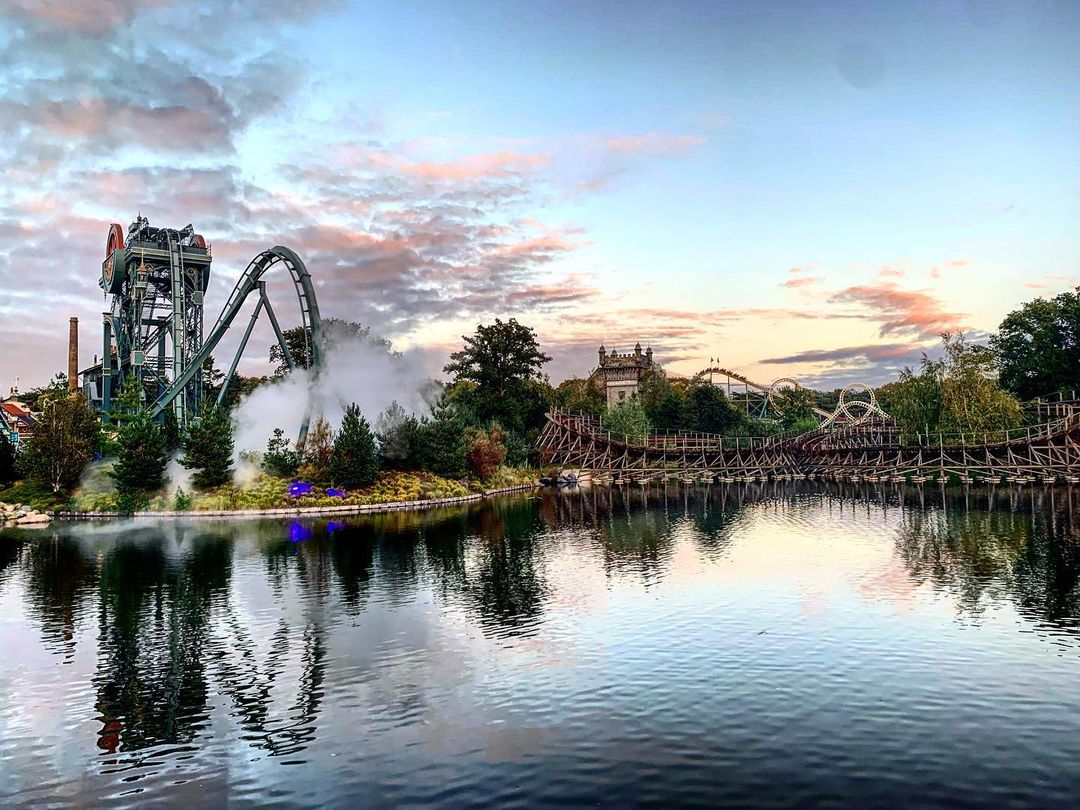
Efteling: fairytales and family rides
Efteling is the largest theme park in the Netherlands and one of the most popular attractions in Europe. Located near the town of Kaatsheuvel in North Brabant, the park is known for its unique combination of fairytale storytelling, family attractions, thrilling roller coasters and beautifully landscaped surroundings. Since opening in 1952, Efteling has welcomed millions of visitors and remains one of the most visited theme parks on the continent.
History: Efteling began as a small recreational park inspired by Dutch folklore and fairytales. Over the decades, it evolved into a major international destination while maintaining the atmosphere and storytelling that made it famous. Unlike many modern theme parks, Efteling focuses not only on rides but also on immersive environments, detailed design and imaginative experiences for visitors of all ages.
The Attractions: The park offers a wide variety of attractions ranging from gentle family rides to high-speed roller coasters. Popular attractions include Baron 1898, a dramatic dive coaster inspired by mining legends, Python, one of the Netherlands’ most famous roller coasters, and Droomvlucht, a dark ride that takes visitors through a world of fairies, forests and fantasy creatures. Families with younger children will find numerous attractions designed specifically for all ages.
The Fairytale Forest: One of Efteling’s most iconic areas is the Sprookjesbos, or Fairytale Forest. Opened in 1952, it remains at the heart of the park and features scenes inspired by classic stories such as Sleeping Beauty, Hansel and Gretel, Little Red Riding Hood and many other well-known fairytales. The forest continues to be one of the park’s most popular attractions for families.
Why Visit: Efteling offers a different experience from many large theme parks. Its combination of storytelling, architecture, gardens and attractions creates an atmosphere that appeals to both children and adults. Whether visiting for thrilling rides, family entertainment or the unique fairytale setting, the park offers a full day of activities and experiences.
Location: Efteling is located in Kaatsheuvel in the province of North Brabant, approximately 110 kilometres south of Amsterdam. The park is easily accessible by car, public transport and organised transportation services from various parts of the Netherlands.
Good to Know: Efteling is open throughout the year, with seasonal events and decorations creating a different atmosphere during spring, summer, autumn and winter. Advance tickets are recommended during weekends, school holidays and peak travel periods. Visitors planning to spend more than one day can choose from several accommodation options located near the park. With its fairytale atmosphere, world-class attractions and decades of history, Efteling remains one of the Netherlands’ most beloved destinations and a favourite attraction for families, couples and visitors from around the world.
🚘 Plan your visit to Efteling
Allow a full day for Efteling and check ride restrictions and opening hours. Ask Sababa for a private transfer quote from Amsterdam, with the return pickup agreed before your visit.
💡 Sababa tip: Save ’s-Hertogenbosch or Loonse en Drunense Duinen for a longer stay in the area. A full park day usually leaves little time for another major attraction.
Address
Europalaan 1, Kaatsheuvel
Opening hours
Open throughout the year. Opening and closing times vary by date, and individual rides may close for weather or maintenance.
Phone number
Walibi Holland: roller coasters and thrill rides
Walibi Holland is one of the leading amusement parks in the Netherlands and a favourite destination for visitors seeking high-speed rides and modern attractions. Located in Biddinghuizen in the province of Flevoland, the park is known for its impressive collection of roller coasters, thrill rides and seasonal events. For many visitors, Walibi represents the most adrenaline-filled day out in the Netherlands.
History: Walibi Holland first opened in 1971 and has developed into one of the country’s best-known amusement parks. Through continuous investment in new attractions and innovative ride experiences, it has built a strong reputation among roller coaster enthusiasts from across Europe.
The Attractions: Walibi Holland is particularly famous for its collection of major roller coasters. Popular rides include Untamed, a hybrid coaster combining wooden and steel track elements, Goliath, one of the tallest and fastest roller coasters in the Benelux region, and Lost Gravity, known for its unusual layout and moments of weightlessness. Together, these attractions have helped establish the park as one of the top thrill ride destinations in Europe.
Family Attractions: While adrenaline is at the heart of the park, Walibi also offers attractions suitable for families and younger visitors. Water rides, interactive experiences and gentler attractions provide options for guests looking for a more relaxed pace while still enjoying the atmosphere of the park.
Why Visit: Walibi Holland offers a different experience from traditional theme parks. The focus here is on excitement, speed and innovative ride design, making it particularly appealing to roller coaster enthusiasts. At the same time, the variety of attractions ensures there is enough to enjoy for families, groups of friends and casual visitors.
Location: Walibi Holland is located in Biddinghuizen in the province of Flevoland, approximately 70 kilometres east of Amsterdam. The park can be reached by car, public transport and organised transportation services from various parts of the Netherlands.
Good to Know: The park is typically open from spring until autumn, with special events taking place throughout the season, including the popular Halloween Fright Nights. Advance tickets are often recommended during weekends, holidays and special events when visitor numbers are highest. With its record-breaking roller coasters, modern attractions and energetic atmosphere, Walibi Holland has become one of the Netherlands’ premier amusement parks. Whether visiting for a favourite ride or discovering the park for the first time, it offers a full day of entertainment that attracts thrill seekers from across the country and beyond.
🚘 Plan your visit to Walibi Holland
Check the park calendar, event ticket conditions and ride restrictions for your date. Ask Sababa about a private transfer from Amsterdam and agree the return pickup, especially for evening events.
💡 Sababa tip: Harderwijk or Hans & Grietje can fit a longer stay in Flevoland. Prioritise the park if you are travelling from Amsterdam for the day.
Address
Spijkweg 30, Biddinghuizen
Opening hours
Opening days, times and event admission vary through the season. Do not assume the park is open every day between spring and autumn.
Check the calendar for your visit date, including Halloween events.
Phone number
Duinrell: rides and the Tiki Pool
Duinrell is one of the Netherlands’ most popular family attractions, combining an amusement park, water park and holiday resort in a single destination. Located in the town of Wassenaar between Amsterdam and The Hague, Duinrell has been welcoming visitors since 1935 and remains a favourite day trip for families looking for a mix of rides, outdoor activities and water-based fun.
History: Duinrell began as a family estate and gradually developed into one of the country’s best-known leisure destinations. Over the decades, the park has expanded with new attractions while maintaining its family-friendly atmosphere. Today, it attracts visitors from across the Netherlands and abroad throughout much of the year.
The Amusement Park: Duinrell offers more than forty attractions suitable for a wide range of ages. Roller coasters, family rides, playgrounds and interactive attractions provide entertainment for both younger children and older visitors. The park’s spacious layout and green surroundings create a relaxed atmosphere that distinguishes it from many larger theme parks.
The Tiki Pool: One of Duinrell’s biggest attractions is the Tiki Pool, one of the largest water parks in the Benelux region. The complex features a wide variety of indoor and outdoor pools, water slides and family-friendly aquatic attractions. Visitors can choose between high-speed slides, recreational pools and areas designed specifically for younger children, making it a popular addition to a day at the park.
Why Visit: Duinrell offers a combination of amusement park attractions and water-based entertainment that appeals to families of all ages. The variety of activities allows visitors to customise their day, whether they prefer roller coasters, water slides or a balance of both.
Location: Duinrell is located in Wassenaar in the province of South Holland, approximately 15 kilometres north of The Hague and around 50 kilometres from Amsterdam. The park is easily accessible by car, public transport and organised day trips.
Good to Know: Admission to the Tiki Pool may require a separate ticket depending on the type of entry purchased. During school holidays, weekends and summer months, advance reservations are often recommended. Visitors planning a longer stay can also choose from a variety of accommodation options within the Duinrell holiday resort. With its combination of family attractions, water slides and outdoor recreation, Duinrell remains one of the Netherlands’ most popular destinations for a fun and active day out, attracting generations of visitors year after year.
🚘 Plan your visit to Duinrell
Check the separate schedules and ticket conditions for the amusement park and Tiki Pool. Ask Sababa about a private transfer from Amsterdam, including space for bags and any child-seat needs.
💡 Sababa tip: Allow time for both rides and swimming before adding Madurodam or The Hague. Bring swimwear and towels if the Tiki Pool is part of your plan.
Address
Duinrell 1, Wassenaar
Opening hours
The amusement park, indoor Tiki Pool and outdoor pool have separate schedules. Ticket conditions and seasonal availability also differ.
Check Duinrell’s opening calendar for the facilities you plan to visit.
Phone number

Slagharen: a family theme park
Slagharen Amusement Park and Holiday Resort is one of the Netherlands’ best-known family destinations, combining amusement park attractions with on-site accommodation and recreational facilities. Located in the province of Overijssel, the park offers a relaxed atmosphere with rides, entertainment and activities designed for visitors of all ages. Its combination of family-friendly attractions and holiday accommodation makes it a popular choice for both day trips and longer stays.
History: Slagharen originally opened in 1963 as Ponypark Slagharen and quickly became one of the most popular family attractions in the Netherlands. Over the years, the park expanded beyond its original concept, adding new rides, entertainment areas and accommodation while maintaining its reputation as a destination focused on family fun and accessibility.
The Attractions: The park features a variety of attractions suitable for different age groups, including roller coasters, family rides, water attractions and children’s rides. Visitors can enjoy a mix of gentle attractions for younger guests and more adventurous rides for older children and adults. Seasonal entertainment and live shows add further variety throughout the year.
The Holiday Resort: One of Slagharen’s distinctive features is its holiday resort, which allows visitors to stay within walking distance of the park. Accommodation options include lodges, holiday homes and themed units designed for families and groups. This makes it easy to combine multiple days of activities with a relaxed holiday atmosphere.
Why Visit: Slagharen offers a combination of attractions, entertainment and accommodation that appeals particularly to families. The park’s manageable size, varied attractions and holiday facilities make it a comfortable destination for visitors looking for a less intensive alternative to some of the larger European theme parks.
Location: Slagharen is located in the province of Overijssel in the eastern Netherlands, near the German border. The park can be reached by car, public transport and organised transportation services from various parts of the country.
Good to Know: Visitors staying at the holiday resort often benefit from additional access options and facilities. During school holidays and summer months, advance reservations are recommended for both accommodation and park admission. Seasonal events and entertainment programmes may vary throughout the year. With its combination of family attractions, holiday accommodation and relaxed atmosphere, Slagharen remains one of the Netherlands’ most popular family destinations and a place where visitors can enjoy both a day out and a longer holiday experience.
🚘 Plan your visit to Slagharen
Check the park calendar and allow a full day when travelling from Amsterdam. Ask Sababa for a private transfer quote and agree pickup, return times and any child-seat requirements.
💡 Sababa tip: Hardenberg and the countryside of Overijssel suit a longer stay. For a day trip, focus on the park rather than adding another distant attraction.
Address
Opening hours
Theme-park hours vary by day and season. Check the attraction calendar and any water-park or accommodation conditions separately before booking.
Phone number
Zoos & Nature
Spend the day with wildlife, birds and marine life at animal parks and nature-focused attractions across the Netherlands.
Safaripark Beekse Bergen
Safaripark Beekse Bergen is a safari-style animal park near Tilburg in North Brabant. Located near Tilburg in the province of North Brabant, the park offers visitors the opportunity to experience wildlife in spacious naturalistic habitats inspired by the African savannah. Home to hundreds of animals from around the world, Beekse Bergen provides a safari-style experience that differs significantly from a traditional zoo.
The Safari Experience: What makes Beekse Bergen unique is the variety of ways visitors can explore the park. Guests can discover the animals by car, boat, safari bus or on foot, with each route offering a different perspective on the wildlife and landscapes. The open habitats allow animals to move freely within large areas, creating a more immersive and natural experience.
The Animals: The park is home to a wide range of species, including elephants, lions, giraffes, rhinoceroses, zebras, cheetahs, hippos and many other animals from Africa, Asia and beyond. Several of the park’s most famous residents belong to the African Big Five, making Beekse Bergen one of the few places in Europe where visitors can observe these iconic animals in such an expansive setting.
Education and Conservation: Alongside wildlife viewing, Beekse Bergen places a strong emphasis on conservation, education and animal welfare. Daily presentations, feeding sessions and keeper talks provide visitors with a deeper understanding of the animals, their habitats and the challenges facing wildlife populations around the world.
Family-Friendly Activities: The park offers attractions and facilities designed for visitors of all ages. Observation points, playgrounds, restaurants and interactive experiences help create a full day out for families while maintaining a strong focus on nature and wildlife.
Why Visit: Beekse Bergen offers one of the closest experiences to an African safari available in Europe. The combination of large open habitats, multiple safari routes and a diverse collection of animals creates a memorable experience for wildlife enthusiasts, photographers and families alike.
Location: Safari Park Beekse Bergen is located near Tilburg in the province of North Brabant, approximately 120 kilometres south of Amsterdam. The park is easily accessible by car, public transport and organised day trips.
Good to Know: Visitors should allow a full day to experience the different safari routes and activities. The park also forms part of a larger resort complex that includes accommodation, recreational facilities and additional attractions for guests wishing to extend their stay. With its expansive landscapes, impressive wildlife collection and immersive safari experiences, Safari Park Beekse Bergen offers one of the most memorable animal encounters in the Netherlands and remains a favourite destination for visitors of all ages.
🚘 Plan your visit to Beekse Bergen
Allow a full day and check which safari routes are operating. Ask Sababa about a private transfer from Amsterdam and clarify whether your quote covers only transport to the entrance or any additional arrangements.
💡 Sababa tip: Tilburg and Hilvarenbeek are nearby, but the safari park itself can fill the day. Plan any extra stop around the agreed return pickup.
Address
Beekse Bergen 1, 5081 NJ Hilvarenbeek
Opening hours
Safaripark is open throughout the year, with seasonal hours. Safari routes and Speelland follow their own operating schedules.
Check the Safaripark calendar for your date.
Phone number
Diergaarde Blijdorp: Rotterdam Zoo
Diergaarde Blijdorp (Rotterdam Zoo) is one of the oldest and most respected zoological parks in the Netherlands. Located in Rotterdam, the zoo is internationally recognised for its naturalistic habitats, conservation programmes and diverse collection of animals from around the world. With a history spanning more than 160 years, Blijdorp remains one of the country’s most visited family attractions.
History: Rotterdam Zoo was originally founded in 1857 and moved to its current location in the Blijdorp district in 1940. Over the decades, the zoo has developed into a modern wildlife park focused on conservation, education and animal welfare. Today, it participates in numerous international breeding and conservation programmes that help protect endangered species around the world.
Worlds and Habitats: Blijdorp Zoo is designed around a series of themed environments that recreate natural ecosystems from different continents. Visitors can explore tropical rainforests, African savannahs, Asian landscapes and underwater worlds, experiencing a wide variety of habitats within a single visit. The carefully designed enclosures allow animals to live in spacious surroundings that closely resemble their natural environments.
Oceanium: One of the zoo’s most popular attractions is the Oceanium, an impressive indoor complex that showcases marine life from across the globe. Visitors can walk through underwater tunnels surrounded by sharks, rays, sea turtles and colourful fish while learning about the importance of ocean conservation and marine ecosystems.
The Animals: The zoo is home to a diverse collection of species, including elephants, giraffes, lions, tigers, gorillas, polar bears, red pandas and many other animals from around the world. Its elephant habitat and large-scale themed environments are among the most celebrated features of the zoo.
Why Visit: Blijdorp Zoo combines wildlife, education and conservation in a setting that appeals to visitors of all ages. The variety of animals, beautifully landscaped habitats and interactive exhibits make it one of the most rewarding family attractions in the Netherlands.
Location: Blijdorp Zoo is located in Rotterdam, just a short distance from Rotterdam Central Station and the city centre. Its convenient location makes it easy to combine with other attractions in Rotterdam.
Good to Know: The zoo is large enough to fill a full day and offers restaurants, cafés, playgrounds and educational activities throughout the grounds. Seasonal events and special exhibitions take place regularly, providing new experiences for returning visitors. With its impressive animal collection, renowned Oceanium and strong commitment to conservation, Blijdorp Zoo offers an engaging and memorable experience that continues to attract visitors from across the Netherlands and beyond.
🚘 Plan your visit to Blijdorp
Allow several hours for the zoo, including the Oceanium. Ask Sababa for a private transfer quote from Amsterdam, with pickup and return times agreed before booking.
💡 Sababa tip: If time remains, explore central Rotterdam or visit the Euromast. Check the tower’s opening times and ticket options before combining both attractions.
Address
Blijdorplaan 8, Rotterdam
Opening hours
Open daily; closing time varies with the season. Check the published hours for your date and the daily programme before visiting.
Phone number
Dierenpark Hoenderdaell
Dierenpark Hoenderdaell is one of the most unique wildlife parks in the Netherlands, combining animal conservation, spacious natural habitats and a peaceful setting within a former estate in North Holland. Located near Anna Paulowna, the park offers visitors the opportunity to observe a wide variety of animals while supporting important rescue, rehabilitation and conservation initiatives. Its focus on animal welfare and large enclosures sets it apart from many traditional zoos.
History and Conservation: Dierenpark Hoenderdaell has developed into a leading wildlife and conservation centre where rescued and rehabilitated animals are given the opportunity to live in spacious and carefully designed environments. The park works closely with animal welfare organisations and conservation projects, helping to provide long-term care for animals that can no longer return to the wild.
The Animals: Visitors can encounter a diverse collection of species from around the world, including lions, tigers, leopards, jaguars, wolves, brown bears, monkeys and numerous bird species. The park’s emphasis on large naturalistic habitats allows animals greater freedom of movement while providing visitors with a more authentic wildlife experience.
The Tropical Greenhouse: One of the park’s highlights is its tropical greenhouse, where exotic plants and free-roaming animals create the atmosphere of a rainforest environment. Monkeys, reptiles and tropical birds can often be observed at close range, offering a completely different experience from the outdoor sections of the park.
Birds of Prey Demonstrations: Dierenpark Hoenderdaell is also known for its impressive birds of prey presentations. These educational demonstrations showcase the natural abilities of eagles, falcons, owls and other raptors while highlighting the importance of conservation and wildlife protection.
Why Visit: Dierenpark Hoenderdaell offers a more tranquil and nature-focused experience than many larger zoos. The combination of conservation work, spacious habitats and beautiful surroundings makes it particularly appealing to animal lovers, families and visitors interested in wildlife welfare.
Location: The park is located near Anna Paulowna in the province of North Holland, approximately 80 kilometres north of Amsterdam. It is easily accessible by car and can be combined with other attractions in the northern Netherlands.
Good to Know: The park’s walking routes pass through natural landscapes and extensive animal habitats, making comfortable footwear recommended. Daily feeding sessions and educational presentations provide additional opportunities to learn about the animals and the conservation work carried out at the park. With its strong commitment to animal welfare, impressive wildlife collection and peaceful natural setting, Dierenpark Hoenderdaell offers one of the most rewarding wildlife experiences in the Netherlands and a meaningful day out for visitors of all ages.
🚘 Plan your visit to Hoenderdaell
Check the park’s seasonal closing time and daily programme. Ask Sababa about a private transfer from Amsterdam and agree how long you want to spend at the park before arranging the return pickup.
💡 Sababa tip: Schagen or the coast at Callantsoog can be a second stop. Leave enough time for the animal park before adding a town or beach visit.
Address
Van Ewijckskade 1, Anna Paulowna
Opening hours
Animal park: daily from 09:30. Closes at 17:30 during summer time and at 17:00 during winter time. Some buildings close earlier.
Check current visitor arrangements before setting off.
Phone number
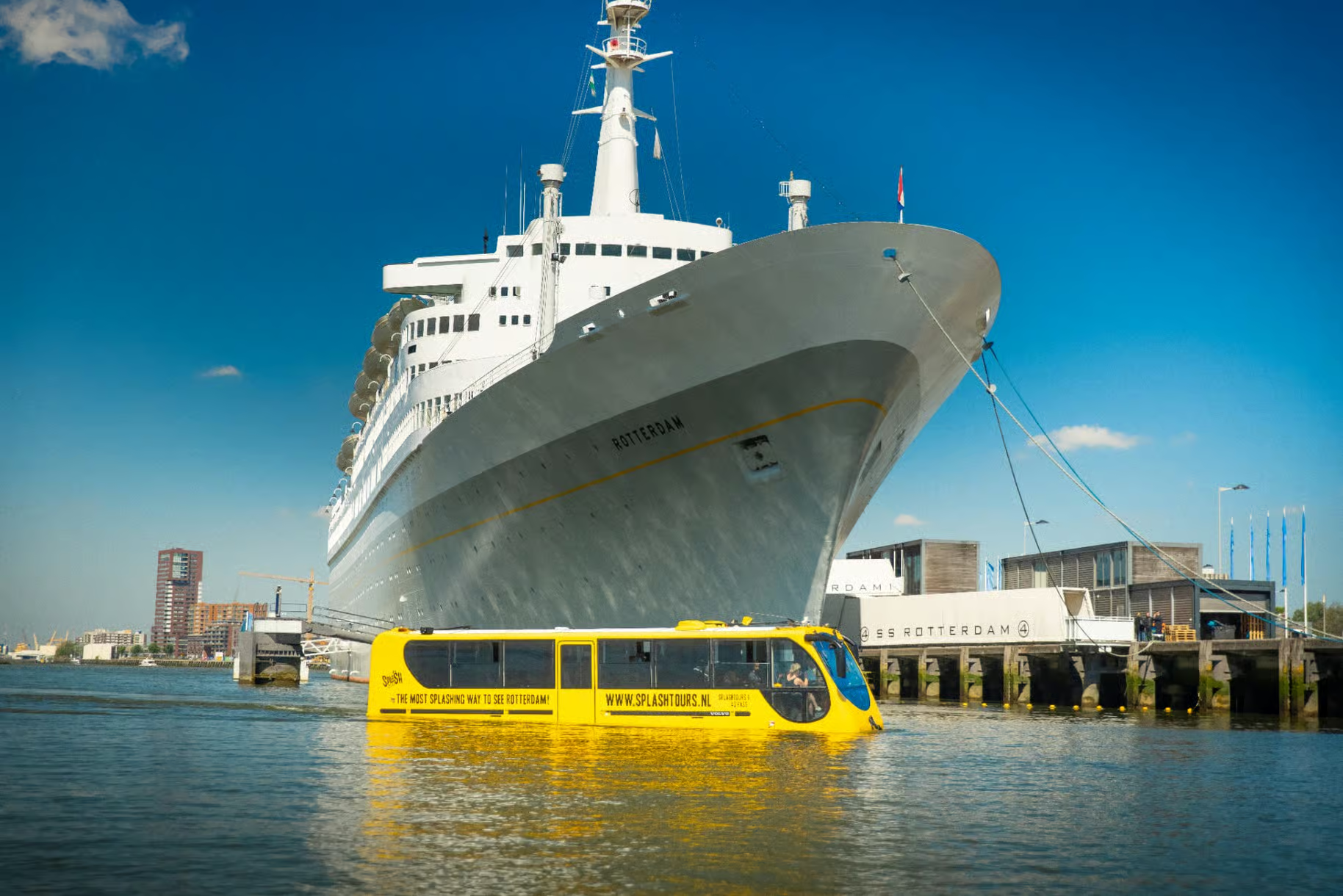
Rotterdam: 1-hour amphibious bus tour
See Rotterdam by land and water on an amphibious bus tour. Check the departure time and meeting point before booking. The bus is not wheelchair accessible; large bags and suitcases cannot be taken on board.
Burgers’ Zoo in Arnhem
Burgers’ Zoo is one of the most distinctive wildlife parks in the Netherlands and a leading destination for visitors interested in nature, wildlife and conservation. Located in Arnhem, the zoo is internationally recognised for its innovative approach, recreating entire ecosystems rather than displaying animals in traditional enclosures. This immersive concept allows visitors to experience wildlife within environments that closely resemble their natural habitats.
The Ecosystems: One of Burgers’ Zoo’s defining features is its collection of large-scale ecological habitats. Visitors can explore tropical rainforests, desert landscapes, mangrove forests and marine environments, each carefully designed to recreate the conditions found in nature. Animals, plants and climate elements coexist within these spaces, creating a more authentic and engaging experience.
What to Experience: The park is divided into several themed areas representing different regions of the world. The Bush recreates a tropical rainforest, while the Mangrove includes butterflies and other species from a coastal ecosystem. Visitors can also explore the Desert and the Ocean’s aquarium displays. Each habitat offers a different perspective on the diversity of life on Earth.
Visitor Information: Burgers’ Zoo is suitable for visitors of all ages and remains open throughout the year. Due to its large size and extensive exhibits, many visitors choose to spend an entire day exploring the park. Restaurants, picnic areas, educational exhibits and family-friendly facilities are available throughout the grounds.
Why Visit: Burgers’ Zoo offers a unique alternative to a traditional zoo experience. By combining wildlife, conservation and education within realistic ecosystems, the park provides an immersive journey through some of the world’s most fascinating natural environments and remains one of the most rewarding wildlife attractions in the Netherlands.
🚘 Plan your visit to Burgers’ Zoo
Allow most of the day for the zoo’s different habitats. Ask Sababa for a private transfer quote from Amsterdam and agree the return pickup before your visit.
💡 Sababa tip: Nederlands Openluchtmuseum is nearby, but visiting both thoroughly takes time. Choose one main attraction or stay longer in Arnhem rather than rushing through two full visits.
Address
Antoon van Hooffplein 1,
Arnhem
Opening hours
Open daily throughout the year, normally 09:00–18:00 in the summer season and 09:00–17:00 in winter. Outdoor animals move indoors before closing.
Phone number

Burgers’ Zoo entry ticket
Visit Burgers’ Zoo in Arnhem and explore its rainforest, desert, mangrove and aquarium habitats. Check your visit date and ticket conditions before booking; parking, food and drinks are separate from admission.
Dolfinarium Harderwijk
Dolfinarium Harderwijk is one of the Netherlands’ most popular family attractions and one of Europe’s best-known marine animal parks. Located on the shores of the Veluwemeer in the historic town of Harderwijk, the park offers visitors the opportunity to learn about marine life through animal presentations, educational exhibits and interactive experiences. For decades, it has attracted families, animal lovers and visitors looking for a unique day out in the Netherlands.
History: Since opening in 1965, Dolfinarium Harderwijk has developed into the largest marine mammal park in Europe. Over the years, the attraction has expanded its educational programmes, exhibits and visitor experiences while continuing to focus on marine animals and ocean conservation awareness.
The Marine Animals: Visitors can observe a variety of marine species, including dolphins, sea lions, seals, walruses, rays, sharks and numerous fish species. The park’s exhibits are designed to introduce visitors to different aquatic environments while providing insight into the behaviour, biology and habitats of the animals that live there.
Presentations and Exhibits: Throughout the day, visitors can attend educational presentations featuring dolphins, sea lions and other marine animals. These sessions focus on animal behaviour, natural adaptations and conservation topics while offering an engaging experience for visitors of all ages. Interactive exhibits throughout the park provide additional opportunities to learn about marine ecosystems and ocean life.
Family-Friendly Activities: In addition to the animal exhibits, the park offers playgrounds, activity zones and family facilities designed to keep younger visitors entertained throughout the day. The combination of education, entertainment and outdoor recreation makes the attraction particularly popular with families.
Why Visit: Dolfinarium Harderwijk offers a unique opportunity to learn about marine life in an engaging and accessible environment. Its combination of animal encounters, educational experiences and family-friendly attractions creates an enjoyable day out for visitors of all ages.
Location: The Dolfinarium is located in Harderwijk in the province of Gelderland, approximately 65 kilometres east of Amsterdam. The attraction is easily accessible by car, public transport and organised day trips.
Good to Know: Presentation schedules vary throughout the season, so checking show times upon arrival is recommended. Many visitors combine their visit with a walk through Harderwijk’s historic town centre or a meal at nearby family attractions in the region. With its diverse collection of marine animals, educational exhibits and family-friendly atmosphere, Dolfinarium Harderwijk remains one of the Netherlands’ most popular attractions for visitors interested in the fascinating world beneath the water’s surface.
🚘 Plan your visit to Dolfinarium
Check the park’s seasonal opening calendar and presentation times. Ask Sababa about a private transfer from Amsterdam with pickup and return arrangements agreed before booking.
💡 Sababa tip: Harderwijk’s old centre and waterfront are close by. Hans & Grietje can be a separate meal stop if its hours and your return schedule allow.
Address
Zuiderzeeboulevard 22, 3841 WB Harderwijk
Opening hours
Opening days are seasonal. The published 2026 schedule is daily through 25 October, normally 10:00–17:00, with longer hours on selected summer dates.
Check the current calendar before planning a visit outside that period.
Phone number
Vogelpark Avifauna
Avifauna Bird Park is one of the Netherlands’ most distinctive wildlife attractions and the country’s first dedicated bird park. Located in Alphen aan den Rijn in South Holland, Avifauna is home to hundreds of bird species from around the world and offers visitors the opportunity to learn about birdlife, conservation and biodiversity in a peaceful natural setting. Combining education, wildlife and family-friendly activities, the park has remained a popular destination for visitors of all ages since its opening in 1950.
History: Avifauna opened in 1950 as the first bird park in the Netherlands and quickly gained recognition for its diverse collection of birds and commitment to conservation. Over the decades, the park has expanded its habitats, breeding programmes and educational initiatives, helping to protect and raise awareness of bird species from around the world.
The Birds: The park is home to hundreds of bird species representing a wide variety of habitats and ecosystems. Visitors can observe colourful parrots, flamingos, pelicans, owls, birds of prey, tropical species and many other birds from Europe, Africa, Asia, Australia and the Americas. Carefully designed aviaries and open habitats allow visitors to experience the diversity of birdlife at close range.
Immersive Habitats: One of Avifauna’s highlights is its collection of walk-through aviaries and themed environments. Visitors can enter tropical habitats where birds fly freely overhead, creating a more immersive experience and offering unique opportunities to observe natural behaviour in a carefully managed setting.
Education and Conservation: Avifauna actively participates in international conservation and breeding programmes that support endangered bird species. Educational exhibits, feeding demonstrations and informative presentations help visitors gain a deeper understanding of bird behaviour, migration, habitats and conservation challenges.
Why Visit: Avifauna offers a different experience from traditional zoos by focusing on the remarkable diversity of birdlife. Its combination of beautiful habitats, educational value and relaxed atmosphere makes it particularly appealing to nature lovers, photographers and families.
Location: Avifauna is located in Alphen aan den Rijn in the province of South Holland, approximately 40 kilometres from Amsterdam and easily accessible by car and public transport.
Good to Know: In addition to its bird collection, the park offers playgrounds, walking paths, cafés and family facilities. Seasonal events and educational activities take place throughout the year, making every visit slightly different.
With its rich collection of bird species, commitment to conservation and peaceful natural surroundings, Avifauna remains one of the Netherlands’ most rewarding destinations for visitors interested in wildlife, nature and education.
🚘 Plan your visit to Avifauna
Check seasonal opening days and the daily programme before visiting. Ask Sababa for a private transfer quote from Amsterdam and agree your pickup and return times.
💡 Sababa tip: Leiden or Naturalis can be part of a longer trip. During spring, check Keukenhof’s dates before adding the gardens; avoid planning several full attractions in one day.
Address
Hoorn 59, 2404 HG Alphen aan den Rijn
Opening hours
The published main-season hours are daily, 09:00–18:00. From 2 November 2026, opening is normally limited to weekends, 10:00–16:30, with extra days during the Christmas and spring holidays.
Phone number
Cities & Attractions
Explore museums, city sights and other places worth adding to a day trip beyond Amsterdam.
Nederlands Openluchtmuseum in Arnhem
The Nederlands Openluchtmuseum (Dutch Open Air Museum) in Arnhem offers one of the best opportunities to discover how people lived and worked in the Netherlands over the past few centuries. Set within a wooded landscape on the outskirts of Arnhem, the museum brings together historic houses, farms, windmills and workshops from across the country. Rather than displaying history behind glass, it allows visitors to experience it through real buildings, traditional crafts and everyday stories from the Dutch past.
History: Founded in 1912, the museum was created to preserve buildings, traditions and ways of life that were gradually disappearing as the Netherlands modernised. Over the years, historic structures from different regions were carefully relocated and reconstructed here, creating a unique collection that reflects the country’s cultural and regional diversity.
Historic Buildings and Traditions: Walking through the museum feels like travelling through different periods of Dutch history. Farmhouses, village homes, windmills, schools and workshops have been recreated as they once appeared, offering insight into how people lived, worked and adapted to changing times. Each building tells a different story about daily life in another part of the Netherlands.
Interactive Experiences: The museum is designed to be explored rather than simply observed. Visitors can watch traditional crafts being practised, meet costumed interpreters, take part in demonstrations and learn how everyday products were made in earlier generations. Seasonal events and cultural activities add another layer to the experience throughout the year.
Why Visit: The Open Air Museum combines history, culture and outdoor exploration in a way that appeals to visitors of all ages. Whether you are interested in Dutch heritage, travelling with children or simply looking for something different from a traditional museum visit, it offers an engaging and accessible experience.
Location: The museum is located on the outskirts of Arnhem in the province of Gelderland. Surrounded by woodland and open green spaces, it is easily accessible by car, public transport and organised day trips from other parts of the Netherlands.
Good to Know: The museum covers a large area, and many visitors choose to spend most of the day exploring the grounds. A historic tram operates throughout the site and provides a convenient way to travel between different sections. Restaurants, cafés and picnic areas are available for those looking to take a break during their visit. With its historic buildings, working traditions and immersive atmosphere, the Open Air Museum Arnhem offers a deeper understanding of everyday life in the Netherlands. It remains one of the country’s most rewarding cultural attractions and a place where Dutch history feels both accessible and alive.
🚘 Plan your visit to the Open Air Museum
Check which buildings, demonstrations and tram services are operating in your season. Ask Sababa about a private transfer from Amsterdam and allow time to explore the large outdoor site.
💡 Sababa tip: Arnhem city centre can be an extra stop if time allows. Save Hoge Veluwe National Park for a longer stay if you want to explore both properly.
Address
Hoeferlaan 4, 6816 SG Arnhem
Opening hours
The main 2026 season runs 28 March–25 October, normally 10:00–17:00. Low-season visits and winter programmes have different conditions; not all buildings and demonstrations operate all year.
Check current opening dates and the programme, including special events and closed days.
Phone number
Madurodam: the Netherlands in miniature
Madurodam is one of the Netherlands’ most famous attractions and offers a unique introduction to the country in miniature form. Located in The Hague, this miniature city showcases Dutch landmarks, historic buildings, engineering projects and cultural icons at a scale of 1:25. Through detailed models and interactive exhibits, visitors can explore many of the places that have shaped the Netherlands without leaving a single park.
History: Madurodam opened in 1952 and has become one of the most visited attractions in the Netherlands. Originally created as a tribute to Dutch war hero George Maduro, the park has evolved over the decades into an educational and cultural attraction that presents both the country’s history and its modern achievements. Regular additions and updates ensure that the miniature city continues to reflect contemporary Dutch life.
The Miniature Netherlands: Visitors can discover detailed recreations of famous Dutch landmarks, including historic city centres, canals, windmills, bridges, palaces, ports and modern architectural projects. Many of the models feature moving elements and interactive displays that help bring the scenes to life and illustrate how different parts of the country function.
Dutch Innovation and Water Management: Madurodam also highlights the engineering achievements for which the Netherlands is internationally known. Exhibits showcase flood protection systems, ports, transportation networks and water management projects, helping visitors understand how the country has developed through innovation and careful planning.
The Miniature Railway: One of the park’s most impressive features is its extensive miniature railway network. Trains travel through stations, tunnels and bridges across the park, recreating the movement and connectivity that play an important role in everyday life in the Netherlands.
Why Visit: Madurodam offers a unique combination of entertainment, education and Dutch culture. It provides an accessible overview of the country’s history, architecture and innovation, making it particularly appealing to first-time visitors, families and anyone interested in learning more about the Netherlands.
Location: Madurodam is located in The Hague in the province of South Holland, approximately 60 kilometres southwest of Amsterdam. The attraction is easily accessible by car, public transport and organised day trips.
Good to Know: Interactive exhibits and activities are available throughout the park, making the experience engaging for both adults and children. Visitors often combine a trip to Madurodam with other attractions in The Hague, including the beach district of Scheveningen and the city’s historic centre. With its detailed miniature landscapes, interactive displays and celebration of Dutch culture, Madurodam offers one of the most distinctive visitor experiences in the Netherlands and provides an enjoyable introduction to the country for visitors of all ages.
🚘 Plan your visit to Madurodam
Check the opening calendar for your date and allow time for the indoor attractions as well as the miniatures. Ask Sababa about a private transfer from Amsterdam with the return pickup agreed in advance.
💡 Sababa tip: Choose The Hague’s centre, Scheveningen or Delft as a second stop. Check access arrangements separately if you want to visit the Peace Palace.
Address
George Maduroplein 1, Den Haag
Opening hours
Open throughout the year, with times varying by date. Admission and ticket desks close one hour before the park closes.
Phone number
Euromast: views across Rotterdam
The Euromast is Rotterdam’s most famous observation tower and one of the city’s most recognisable landmarks. Rising 185 metres above the skyline, it offers spectacular panoramic views across Rotterdam, the surrounding region and, on clear days, far beyond. Since its opening in 1960, the Euromast has become a symbol of Rotterdam’s modern character, innovation and ambition.
History: The Euromast was designed by Dutch architect Hugh Maaskant and constructed for the 1960 Floriade horticultural exhibition. Originally standing 101 metres tall, the tower was later extended with the addition of the Space Tower, increasing its height to 185 metres and making it one of the tallest observation towers in the Netherlands.
Panoramic Views: The Euromast offers some of the finest views in the country. Visitors can enjoy sweeping panoramas of Rotterdam’s modern skyline, the River Maas, the city’s famous bridges and the Port of Rotterdam, one of the largest ports in the world. The rotating Euroscoop takes visitors higher when it is operating. Check whether it is included in your chosen ticket; access depends on weather and technical conditions.
Dining Above the City: Located approximately 100 metres above ground, the Euromast restaurant combines dining with exceptional views. Visitors can enjoy breakfast, lunch, dinner or drinks while overlooking Rotterdam and the busy waterways that have shaped the city’s development.
Adventure Activities: Seasonal abseiling is offered separately from a standard tower visit. Check the current dates, conditions and ticket options before planning this activity.
Why Visit: The Euromast combines architecture, history, dining and spectacular views in a single attraction. It offers an excellent introduction to Rotterdam and provides one of the best opportunities to appreciate the scale and modern design of the city.
Location: The Euromast is located in Rotterdam’s Scheepvaartkwartier district near Het Park and the River Maas. It is easily accessible by car, public transport and organised day trips from Amsterdam and other Dutch cities.
Good to Know: Observation decks are open throughout most of the year, although weather conditions may occasionally affect visibility and access to the highest viewing areas. Advance reservations are recommended for the restaurant and special activities during busy periods. With its impressive height, panoramic views and unique visitor experiences, the Euromast remains one of Rotterdam’s most popular attractions and an essential stop for anyone wishing to experience the city from above.
🚘 Plan your visit to the Euromast
Check the viewing-platform and Euroscoop ticket options before visiting. Ask Sababa for a private transfer quote from Amsterdam, with the return time planned around any restaurant reservation.
💡 Sababa tip: Rotterdam’s Markthal, Cube Houses and waterfront can fit the same outing. Add Kinderdijk only if you have time for the extra journey and a proper visit.
Address
Parkhaven 20, Rotterdam
Opening hours
Normally daily, 09:30–22:00. Euroscoop operation depends on weather and technical conditions; check the restaurant and activity schedules separately.
Phone number
Hans & Grietje: pancakes and playgrounds
Hans & Grietje Pancake House is one of the most unusual family attractions in the Netherlands, combining a popular pancake restaurant with an imaginative play experience inspired by the classic fairytale. Located near Zeewolde in the province of Flevoland, this unique destination has become a favourite stop for families travelling through the region, offering children plenty of opportunities to play while adults relax and enjoy a meal.
The Concept: Unlike a traditional restaurant, Hans & Grietje is designed as a complete family experience. Inspired by the famous fairytale, the venue combines themed dining areas, playful decorations and interactive attractions that create an atmosphere unlike any other restaurant in the Netherlands.
The Outdoor Playground: One of the biggest attractions is the large outdoor play area, where children can enjoy trampolines, slides, climbing structures and creative play zones. The spacious setting allows younger visitors to stay active and entertained while families spend time together in a relaxed environment.
The Restaurant: Inside, the fairytale theme continues throughout the restaurant. Colourful decorations, whimsical details and playful surprises create an atmosphere that appeals to children and adults alike. The menu focuses on Dutch pancakes and family-friendly dishes, making it a popular destination for lunch, dinner and special occasions.
A Unique Family Experience: What makes Hansel and Gretel especially memorable is the way dining and entertainment are combined. Children can continue exploring and playing throughout the visit, turning a simple meal into a fun family outing that often becomes a highlight of the day.
Why Visit: Hans & Grietje offers something different from traditional restaurants and attractions. The combination of good food, themed surroundings and extensive play facilities makes it particularly appealing for families travelling with children.
Location: The restaurant is located near Zeewolde in Flevoland, approximately one hour from Amsterdam. Its central location makes it easy to combine with other attractions in the region, including Giethoorn, Walibi Holland, Harderwijk and the Dolfinarium.
Good to Know: The restaurant can become busy during weekends, school holidays and summer months, so advance reservations are recommended. Outdoor play facilities are weather dependent, while indoor attractions remain available throughout the year. With its fairytale atmosphere, family-friendly dining and extensive play areas, Hans & Grietje offers a memorable experience that combines food, fun and imagination in a way that few other destinations in the Netherlands can match.
🚘 Plan your visit to Hans & Grietje
Check restaurant and kitchen hours, reserve a table when needed and allow time for play. Ask Sababa about a private transfer from Amsterdam, including the agreed return pickup and any child-seat requirements.
💡 Sababa tip: Harderwijk’s old centre and waterfront can be an extra stop. Check Dolfinarium’s seasonal opening dates if you want to combine a meal with the animal park.
Address
Sternweg 2A, Zeewolde
Opening hours
Monday–Thursday: 11:00–20:00. Friday–Saturday: 11:00–21:00. Sunday: 10:00–21:00. The kitchen closes at 20:00 on Friday–Sunday.
Published maintenance closure: 2–6 November 2026. Check exceptions before visiting.
Phone number
Naturalis Biodiversity Center in Leiden
Naturalis Biodiversity Center is one of the most important natural history museums in Europe and one of the Netherlands’ leading scientific institutions. Located in the historic city of Leiden, the museum combines world-class research, interactive exhibitions and remarkable collections that explore the story of life on Earth. Following a major renovation and expansion, Naturalis has become one of the country’s most impressive destinations for families, students and anyone interested in science and nature.
History: Naturalis traces its origins to the early nineteenth century and has developed into the Netherlands’ national centre for biodiversity research and natural history. Today, the museum houses millions of specimens and serves as both a public attraction and a globally respected scientific institution dedicated to studying and preserving the natural world.
The Exhibitions: Visitors can explore a wide range of permanent and temporary exhibitions covering dinosaurs, biodiversity, evolution, geology and the natural history of our planet. The museum combines original specimens, interactive displays and modern multimedia presentations to make complex scientific topics accessible and engaging for visitors of all ages.
The Dinosaur Collection: One of Naturalis’ most famous attractions is its impressive collection of prehistoric fossils, including the celebrated Tyrannosaurus rex known as Trix. Alongside dinosaurs, visitors can discover Ice Age animals and learn about the evolution of life over millions of years.
Science and Biodiversity: Beyond its prehistoric collections, Naturalis explores the incredible diversity of life on Earth. Exhibits examine ecosystems, animal species, human evolution and the challenges facing biodiversity today, helping visitors understand the connections between nature, science and conservation.
Why Visit: Naturalis offers a unique combination of scientific knowledge, interactive learning and spectacular exhibits. Its ability to make complex subjects both accessible and fascinating makes it one of the most rewarding museum experiences in the Netherlands for adults and children alike.
Location: Naturalis is located in Leiden, approximately 40 kilometres south of Amsterdam and within easy reach of The Hague. The museum is situated close to Leiden Central Station and is easily accessible by both public transport and car.
Good to Know: Visitors should allow several hours to fully explore the museum’s galleries and exhibitions. The museum offers family-friendly facilities, educational activities, a café and a museum shop. Holders of the Dutch Museum Card receive free admission.
With its outstanding collections, internationally recognised research and engaging exhibitions, Naturalis Biodiversity Center offers a fascinating journey through the history of life on Earth and remains one of the Netherlands’ premier cultural and scientific attractions.
🚘 Plan your visit to Naturalis
Reserve your museum visit and check any separately ticketed experiences. Ask Sababa for a private transfer quote from Amsterdam, with pickup and return times agreed before booking.
💡 Sababa tip: Spend time in Leiden’s historic centre after the museum. Keukenhof and the flower fields are seasonal options for a longer outing, not guaranteed year-round stops.
Address
Darwinweg 2, Leiden
Opening hours
Normally daily, 10:00–17:00, with closure on King’s Day, Christmas Day and scheduled cleaning days. Reserve your museum visit, including when using a Museumkaart.