✦ EXPLORE AMSTERDAM
Things to do in Amsterdam
From historic canals and famous squares to local markets, parks and landmarks, discover the places that shape Amsterdam.
Plan your time in Amsterdam
Looking for things to do in Amsterdam? Start with the canals and squares, explore historic churches and courtyards, or take a break in a park or garden. This guide brings together 18 places across five categories, from Dam Square and Museumplein to the old harbour around Amsterdam Centraal.
Many of the outdoor sights are free to explore. Palaces, exhibitions, gardens and tours have their own tickets and opening calendars, so choose a few nearby stops and check visitor information before you go. Use the links to our museum, restaurant and nightlife guides to plan the rest of your day.
Squares & Canals
Explore Amsterdam’s famous squares and canals, from the historic heart around Dam Square to lively Leidseplein, Rembrandtplein and the Canal Belt.
Dam Square
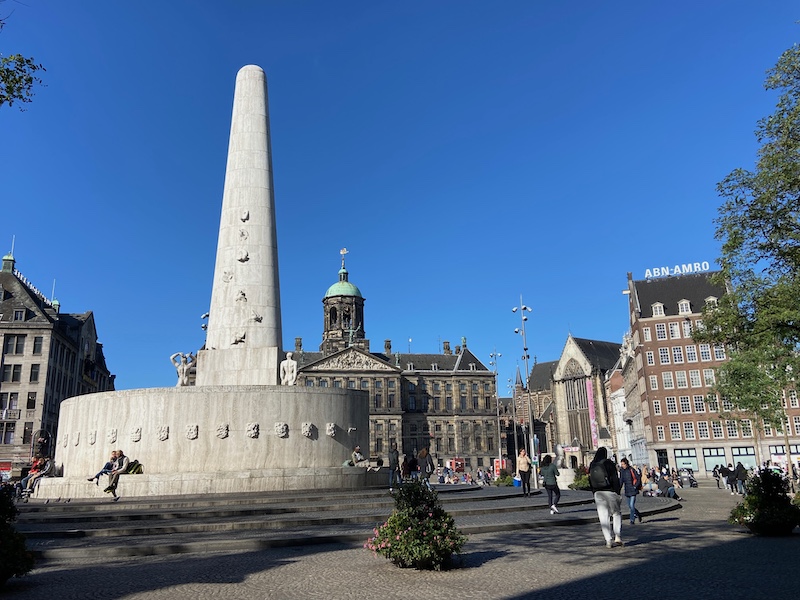
Dam Square is the historic heart of Amsterdam and the city’s most famous public space. Located just a short walk from Amsterdam Central Station, this iconic square has been at the centre of Amsterdam’s story for more than seven centuries. From medieval markets and royal ceremonies to national commemorations and everyday city life, Dam Square remains one of the most important and visited locations in the Dutch capital.
From Dam to Amsterdam: The square owes its name to a dam built across the Amstel River in the 13th century to protect the growing settlement from flooding. What began as a practical engineering project gradually evolved into the commercial and political centre of Amsterdam, laying the foundations for the city that exists today.
Historic Landmarks: Dam Square is surrounded by some of Amsterdam’s most significant buildings. The Royal Palace, originally constructed as the city’s town hall during the Dutch Golden Age, dominates the western side of the square. Nearby stands the Nieuwe Kerk, a historic church that has hosted royal ceremonies, major exhibitions and important national events for centuries.
The National Monument: Rising from the centre of the square, the National Monument was unveiled in 1956 in memory of the Dutch victims of the Second World War. Every year on 4 May, thousands gather here for the National Remembrance Day ceremony, one of the most important commemorative events in the Netherlands.
The Atmosphere: From early morning until late evening, Dam Square is filled with energy. Street performers, public events, locals and visitors from every corner of the world create a lively atmosphere that perfectly reflects Amsterdam’s international character.
Why Visit: Few places offer a better introduction to Amsterdam. Combining history, architecture, culture and daily life, Dam Square provides a unique glimpse into both the city’s past and its modern identity.
Location: Dam Square is located in the very centre of Amsterdam, within walking distance of Central Station, the Canal Belt, the Flower Market, the Red Light District and many of the city’s most famous attractions.
Good to Know: Thanks to its central location, Dam Square is often used as a meeting point and starting place for exploring the city. Many walking tours, sightseeing routes and cultural attractions can be reached within minutes.
For centuries, Dam Square has been the stage on which Amsterdam’s history has unfolded. Today, it remains the city’s beating heart, where historic landmarks, local life and visitors from around the world come together every day.
Sababa tip: around Dam Square
Walk from the Royal Palace and Nieuwe Kerk towards the Canal Belt, or head into the old streets around De Wallen. Check the opening calendars before adding an indoor visit.
More guides: De Wallen and the Red Light District, Amsterdam museums guide, Amsterdam restaurant guide.
Address
Dam, Amsterdam
Amsterdam canals
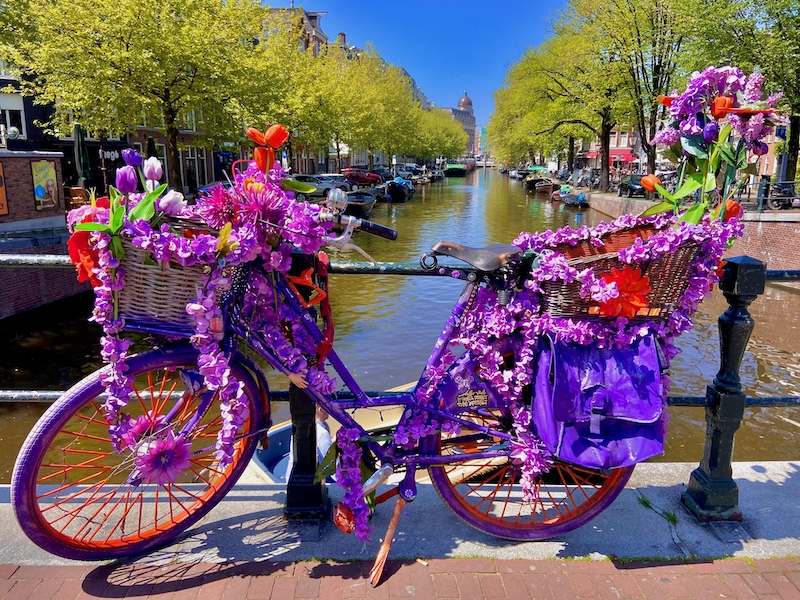
Amsterdam and its canals are inseparable. Stretching for more than 100 kilometres through the city, the waterways have shaped Amsterdam’s development for centuries and remain a defining feature of daily life.
The Canal Belt: Herengracht, Keizersgracht and Prinsengracht form the main seventeenth-century Canal Belt. The nearby Singel is older: it began as a moat around the medieval city. Together, these waterways make an easy route through Amsterdam’s historic centre.
History and Architecture: More than 1,500 historic buildings line the canals, including merchant houses, warehouses and grand residences. Their characteristic gabled façades and waterside locations have become closely associated with Amsterdam’s cityscape.
A UNESCO World Heritage Site: In 2010, the Canal Belt was added to the UNESCO World Heritage List in recognition of its historical and urban significance. It remains one of the most important examples of 17th-century city planning in Europe.
Life Along the Water: The canals continue to play an important role in everyday life. Houseboats, canal cruises, terraces and cyclists crossing the city’s many bridges all contribute to the atmosphere of Amsterdam.
Explore the Canals: The canals can be explored on foot, by bicycle or from the water. Each offers a different perspective on the city and its historic centre.
Why Visit: Spending time along the canals is one of the best ways to experience Amsterdam. They bring together history, architecture, local life and some of the city’s most characteristic views.
Location: The Canal Belt surrounds Amsterdam’s historic centre and lies within walking distance of many museums, attractions and shopping streets.
Good to Know: Choose a short section for a walk, or compare cruise routes and departure points before booking. Trip lengths and inclusions vary; check whether your ticket includes drinks, commentary or a guide in your preferred language.
For centuries, Amsterdam’s canals have connected neighbourhoods, people and trade. Today, they remain one of the defining features of the city and an essential part of any visit.
Sababa tip: a canal walking route
Follow a section of Prinsengracht, Keizersgracht or Herengracht and cross a few side bridges. Pick a nearby museum or café rather than trying to cover the entire Canal Belt.
More guides: Amsterdam museums guide, Amsterdam restaurant guide.
Area
Herengracht, Keizersgracht and Prinsengracht — historic Canal Belt, Amsterdam
Rembrandtplein
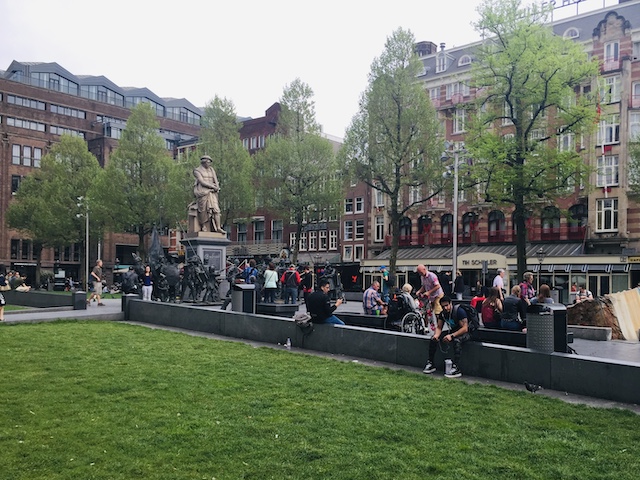
Rembrandtplein is one of Amsterdam’s best-known public squares. Located in the heart of the city and named after the Dutch painter Rembrandt van Rijn, it has evolved from a 17th-century marketplace into a lively area filled with cafés, restaurants and entertainment venues.
History: The square dates back to the Dutch Golden Age, when it served as a market where merchants traded butter, dairy products and other goods. As Amsterdam expanded, the area gradually developed into an important meeting place in city life.
Rembrandt’s Legacy: The cast-iron statue of Rembrandt at the centre of the square was unveiled in 1852. The Rembrandt House Museum, where the painter lived and worked, is within walking distance if you want to learn more about his life.
The Square Today: Rembrandtplein has a different atmosphere throughout the day. During the afternoon, terraces, cafés and restaurants attract both locals and visitors. In the evening, the surrounding streets become busier as people head to restaurants, theatres, bars and other entertainment venues.
Why Visit: Rembrandtplein combines history, culture and everyday city life in one central location. It is a pleasant place to take a break, explore the surrounding neighbourhood or experience Amsterdam after dark.
Location: The square is located in central Amsterdam, close to the Amstel River, the Flower Market, Royal Theatre Tuschinski and several historic canal streets.
Good to Know: The square is often busiest during the late afternoon and evening. It also provides easy access to the nearby Canal Belt and other parts of the historic centre.
From its origins as a market square to its role as a modern gathering place, Rembrandtplein remains an important part of everyday life in Amsterdam.
Sababa tip: from Rembrandtplein to the Amstel
Walk towards the Amstel or explore Utrechtsestraat before returning for dinner. Check the programme and ticket conditions if you plan a show or a club visit.
More guides: Amsterdam restaurant guide, Amsterdam nightlife guide, Amsterdam museums guide.
Address
Leidseplein
Leidseplein is one of Amsterdam’s most famous squares and a lively centre of culture, entertainment and nightlife. Located on the edge of the historic city centre, it attracts visitors throughout the day with its cafés, terraces, theatres and restaurants, while evenings bring a completely different energy as the area comes alive after dark.
History: The square dates back to the 17th century, when Amsterdam expanded beyond its medieval walls. It originally served as a stopping point for farmers, merchants and travellers arriving from the city of Leiden, from which it takes its name.
Culture and Entertainment: For generations, Leidseplein has been one of Amsterdam’s leading cultural districts. Historic theatres, cinemas, music venues and performance spaces continue to attract both local audiences and international visitors.
The Square Today: During the day, visitors relax on sunny terraces, enjoy lunch at one of the many cafés or simply watch the city go by. Street performers often add to the atmosphere, while the surrounding streets offer a lively mix of shops, restaurants and cultural attractions. In the evening, the square transforms into one of Amsterdam’s best-known nightlife destinations.
Why Visit: Leidseplein offers a unique combination of history, culture and modern city life. Whether you’re attending a concert, enjoying dinner, visiting nearby museums or exploring the city after dark, there is always something happening here.
Location: Leidseplein is located in central Amsterdam, within walking distance of Museumplein, the Rijksmuseum, the Van Gogh Museum, the Stedelijk Museum and Vondelpark.
Good to Know: The square is particularly lively during the late afternoon and evening, when terraces, theatres and entertainment venues are at their busiest. Its central location also makes it an excellent starting point for exploring the surrounding neighbourhoods.
From historic theatres and bustling terraces to live music and nightlife, Leidseplein captures the energy of modern Amsterdam while remaining one of the city’s most important cultural gathering places.
Sababa tip: an afternoon around Leidseplein
Combine the square with Vondelpark or a walk along Leidsegracht. For an evening out, choose a concert, theatre performance or live music venue and check the current programme.
More guides: Amsterdam restaurant guide, Amsterdam nightlife guide, Amsterdam museums guide.
Address
Museumplein
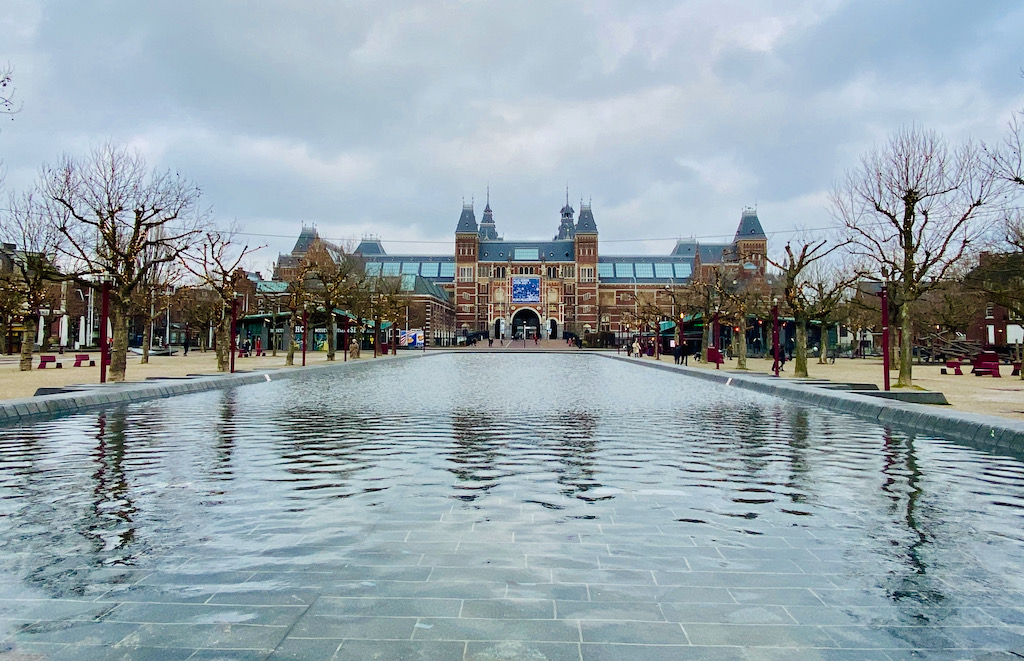
Museumplein is Amsterdam’s cultural heart and one of the city’s most iconic public spaces. Surrounded by world-famous museums, historic landmarks and elegant open spaces, it attracts millions of visitors each year and offers one of the best introductions to Amsterdam’s artistic and cultural heritage.
World-Famous Museums: Few places in Europe bring together such an extraordinary collection of cultural institutions. Museumplein is home to the Rijksmuseum, the Van Gogh Museum, the Stedelijk Museum and the Moco Museum, allowing visitors to explore everything from Dutch Golden Age masterpieces to modern and contemporary art within a short walk.
The Royal Concertgebouw: Overlooking the square is the Royal Concertgebouw, widely regarded as one of the world’s finest concert halls. Its exceptional acoustics and prestigious programme attract leading orchestras, acclaimed soloists and internationally renowned performers throughout the year.
More Than a Museum District: Museumplein is not only about museums. Its spacious lawns, reflecting pool and open public spaces create a welcoming environment where locals and visitors gather to relax, meet friends and enjoy one of Amsterdam’s most attractive neighbourhoods.
Throughout the Seasons: The square changes character throughout the year. Sunny days bring picnics and outdoor gatherings, while cultural events, exhibitions and public celebrations ensure there is always something happening in the area.
Why Visit: Museumplein offers a unique opportunity to experience Amsterdam’s artistic, cultural and architectural highlights in one location. Whether you are passionate about art, interested in history or simply looking to explore one of the city’s most beautiful districts, it is a place not to be missed.
Location: Museumplein is located in Amsterdam South, between Vondelpark and the historic city centre, making it easy to combine with many of Amsterdam’s most popular attractions.
Good to Know: The square regularly hosts cultural events, public celebrations and seasonal activities. Its central location also makes it an excellent base for exploring nearby museums, shopping streets and parks on foot.
Bringing together art, history, music and everyday city life, Museumplein remains one of Amsterdam’s most inspiring destinations and a place that belongs on every visitor’s itinerary.
Sababa tip: one museum and a walk
Choose a main museum, then leave time for the square or nearby Vondelpark. Museum entry requires separate tickets; a walk across Museumplein does not include admission.
More guides: Amsterdam museums guide, Amsterdam restaurant guide.
Address
Historic Landmarks
Step into Amsterdam’s past through royal buildings, historic churches and centuries-old landmarks that have shaped the city and its story.
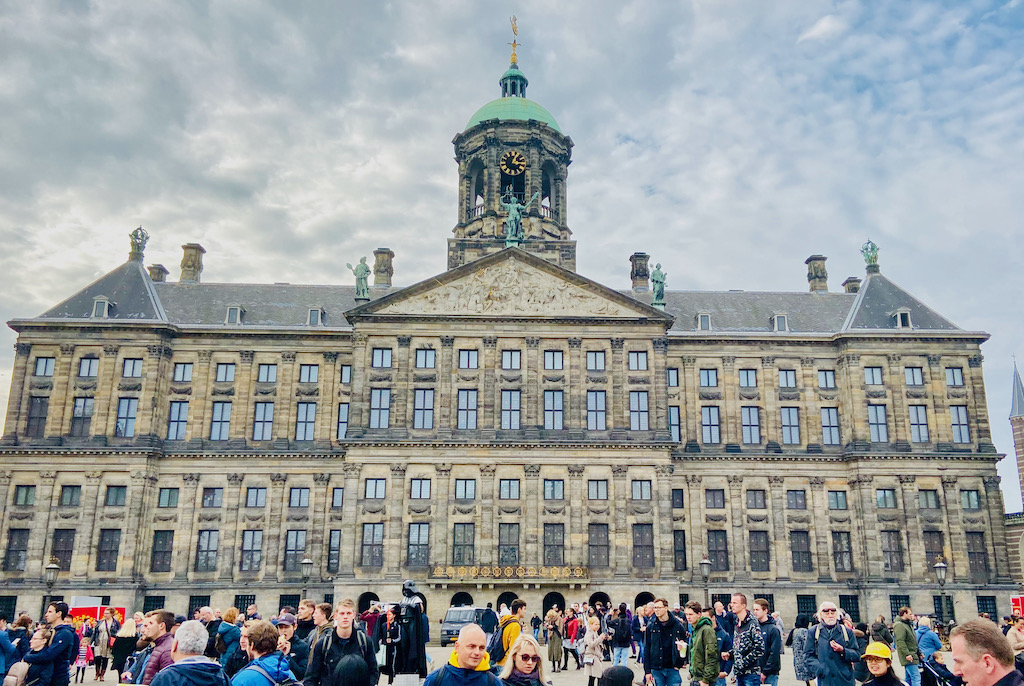
Royal Palace Amsterdam
The Royal Palace Amsterdam is one of the city’s most impressive historic landmarks and a highlight of Dam Square. Originally built as Amsterdam’s City Hall during the Dutch Golden Age, it later became a royal palace and remains one of the official residences of the Dutch Royal House.
History: Construction began in the 17th century, when Amsterdam was among the world’s most powerful trading cities. Designed by renowned architect Jacob van Campen, the building was intended to reflect the wealth, ambition and international influence of the Dutch Republic.
From City Hall to Royal Palace: In the early 19th century, Louis Bonaparte transformed the former City Hall into a royal residence. Although its function changed, the building retained much of its original grandeur and remains one of Amsterdam’s most important historic monuments.
Inside the Palace: Visitors can admire magnificent ceremonial rooms, elegant galleries and the spectacular Citizens’ Hall, often regarded as the architectural centrepiece of the palace. Marble floors, grand chandeliers, decorative sculptures and historic artworks offer a fascinating insight into centuries of Dutch history and royal tradition.
The Palace Today: The Royal Palace continues to play an important ceremonial role in the Netherlands. State visits, official receptions and royal events are regularly held here. When not in use for official functions, large parts of the palace are open to visitors.
Why Visit: The Royal Palace offers a unique opportunity to experience one of the finest buildings of the Dutch Golden Age while learning about Amsterdam’s history and the Dutch monarchy. Its combination of architecture, history and royal heritage makes it one of the city’s most rewarding cultural attractions.
Location: The palace stands on Dam Square in the historic centre of Amsterdam, within easy walking distance of Central Station, the Nieuwe Kerk and many of the city’s most famous landmarks.
Good to Know: Because the palace remains an active royal venue, opening hours may occasionally change due to state visits or official ceremonies. Checking current visitor information before your visit is recommended.
From its origins as a symbol of Amsterdam’s Golden Age to its role in modern royal life, the Royal Palace remains one of the Netherlands’ most remarkable historic buildings.
Sababa tip: pair the palace with Dam Square
Check the palace calendar first, then combine your visit with Nieuwe Kerk or a walk towards the canals. Both indoor visits depend on their own opening schedules.
More guides: De Wallen and Red Light District guide, Amsterdam museums guide, Amsterdam restaurant guide.
Visitor entrance
Dam Square, Amsterdam
Opening hours
Opens at 10:00 on visitor days. Closing times vary; the palace closes for royal use.
Phone
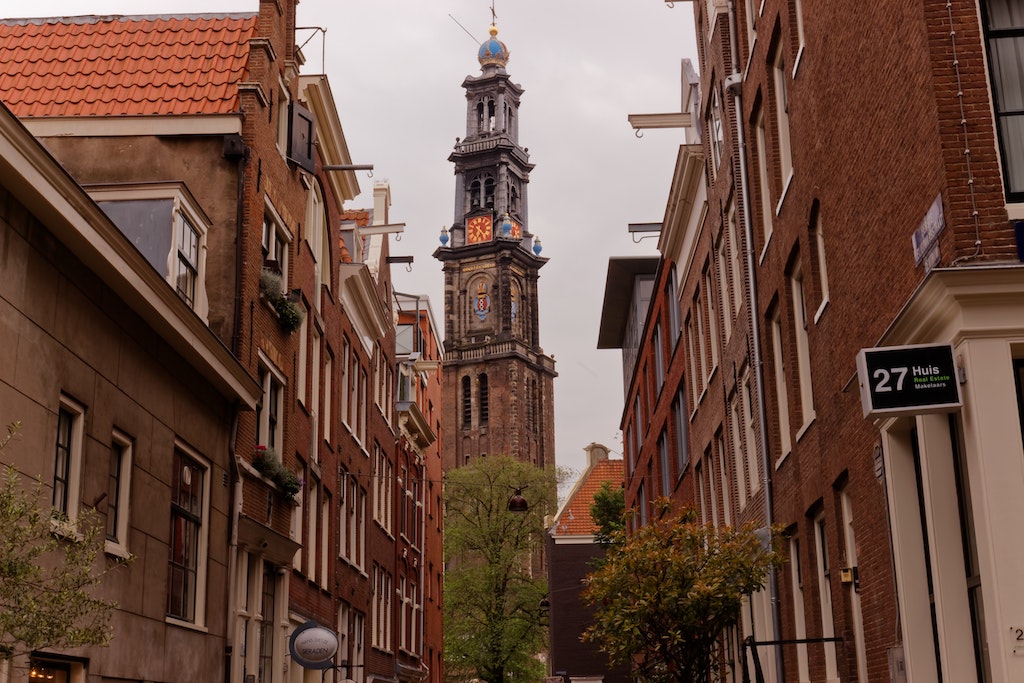
Westerkerk
The Westerkerk is one of Amsterdam’s best-known historic churches. Standing beside the Anne Frank House on the Prinsengracht, it has been part of the city’s religious, cultural and social life for nearly four centuries.
History: The Westerkerk was built between 1620 and 1631 during the Dutch Golden Age, when Amsterdam was rapidly growing into a major trading city. Designed by architect Hendrick de Keyser and completed by his son Pieter, the church became one of the most important Protestant churches in the Netherlands.
The Westertoren: The Westertoren, topped by a blue imperial crown, is a familiar landmark above the Canal Belt. It is currently closed to visitors during restoration work, so you cannot plan a tower climb. Check the church’s official visitor information for updates.
Inside the Church: The interior reflects the simplicity of the Protestant tradition. Bright open spaces, elegant arches and carefully crafted details create a peaceful atmosphere, while the architecture highlights the craftsmanship of the 17th century.
Rembrandt and Anne Frank: The Westerkerk is closely connected to two of the most well-known figures in Dutch history. Rembrandt van Rijn was buried here in 1669, while Anne Frank wrote in her diary about hearing the church bells from her hiding place nearby.
The Church Today: The Westerkerk remains an active church and continues to host religious services, concerts and cultural events throughout the year. It is also one of the most visited historic churches in Amsterdam.
Why Visit: Visit for the church’s seventeenth-century architecture and its connections to Rembrandt and Anne Frank. You can combine it with a walk along Prinsengracht and through the Jordaan.
Location: The church stands on the Prinsengracht in the Jordaan district, beside the Anne Frank House and within walking distance of Dam Square, the Nine Streets and several of Amsterdam’s best-known canals.
Good to Know: Church entry is free during visitor opening hours. Services, concerts and other events can affect access. The tower is currently closed; check the official calendar before making a special trip.
For centuries, the Westerkerk has been part of daily life in Amsterdam. Today, it remains one of the city’s most recognisable historic churches and an important part of the story of the Jordaan and the canal belt.
Sababa tip: continue into the Jordaan
See the church during visitor hours, then walk along Prinsengracht or into the Jordaan. The Westertoren is currently closed, and Anne Frank House admission needs a separate reservation.
More guides: Amsterdam museums guide, Amsterdam restaurant guide.
Visitor entrance
Prinsengracht 279, 1016 GW Amsterdam
Opening hours
September–June: Monday–Friday 11:00–15:00. July–August: Monday–Saturday 11:00–15:00. Events may affect access. Tower currently closed.
Phone
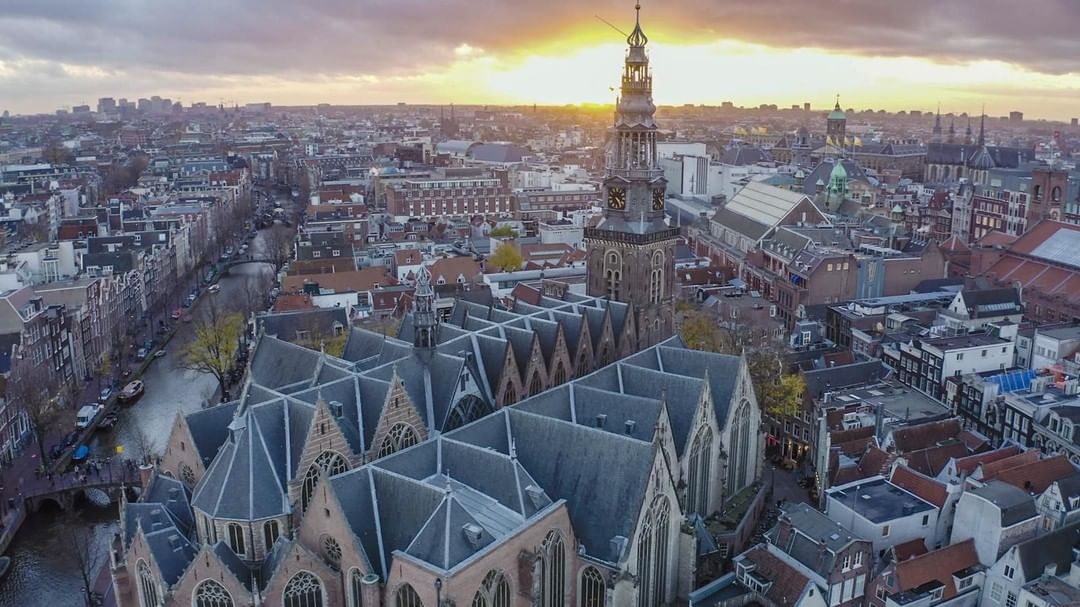
Oude Kerk (Old Church)
The Oude Kerk is the oldest building in Amsterdam and one of the city’s most important historic sites. Located in the heart of the Red Light District, this medieval church has witnessed Amsterdam’s development since the Middle Ages, from its beginnings as a small settlement on the Amstel River to its development into a major European trading city.
History: The Oude Kerk grew from a wooden chapel built around 1250. Its stone church was consecrated in 1306 and expanded as medieval Amsterdam developed. Merchants, sailors and local families gathered here, reflecting the city’s close connection to trade and maritime life.
Architecture: The church is one of the most significant examples of Gothic architecture in the Netherlands. Its high vaulted ceilings, historic stained-glass windows and impressive wooden roof structure have survived for centuries. The church tower has long been a familiar feature of Amsterdam’s skyline.
Beneath the Floor: Historic tombstones cover much of the church floor, recording centuries of burials and Amsterdam family history. Saskia van Uylenburgh, Rembrandt’s wife, is among those buried here.
A Historic Church with a Modern Role: While religious services are still held here, the Oude Kerk has also become an important venue for contemporary art. Large-scale exhibitions and installations regularly create an interesting dialogue between the historic building and modern artistic expression.
Why Is It Called the Oude Kerk? The church became known as the “Old Church” in the 15th century after the construction of the Nieuwe Kerk on Dam Square. The name has remained ever since and reflects its status as Amsterdam’s oldest church.
Why Visit: The Oude Kerk brings together history, architecture and culture in one place. The contrast between the centuries-old church and the lively streets that surround it is part of what makes a visit so memorable.
Location: The Oude Kerk stands in the historic centre of Amsterdam, within the Red Light District and just a short walk from Dam Square, Nieuwmarkt and Amsterdam Central Station.
Good to Know: Check the current contemporary art exhibition before visiting. Your ticket combines the historic building with the programme on display; Sunday visitor opening begins later than on other days.
Since the Middle Ages, the Oude Kerk has stood at the heart of Amsterdam. Today, it remains one of the city’s most important historic buildings, connecting medieval history with contemporary culture.
Sababa tip: medieval history in De Wallen
Combine the church with a walk through the surrounding historic streets. Check the art programme and opening hours before buying your ticket, especially for a Sunday visit.
More guides: De Wallen and Red Light District guide, Amsterdam museums guide, Amsterdam restaurant guide.
Address
Opening hours
Monday–Saturday 10:00–18:00. Sunday 13:00–17:30. Check exceptions before visiting.
Phone
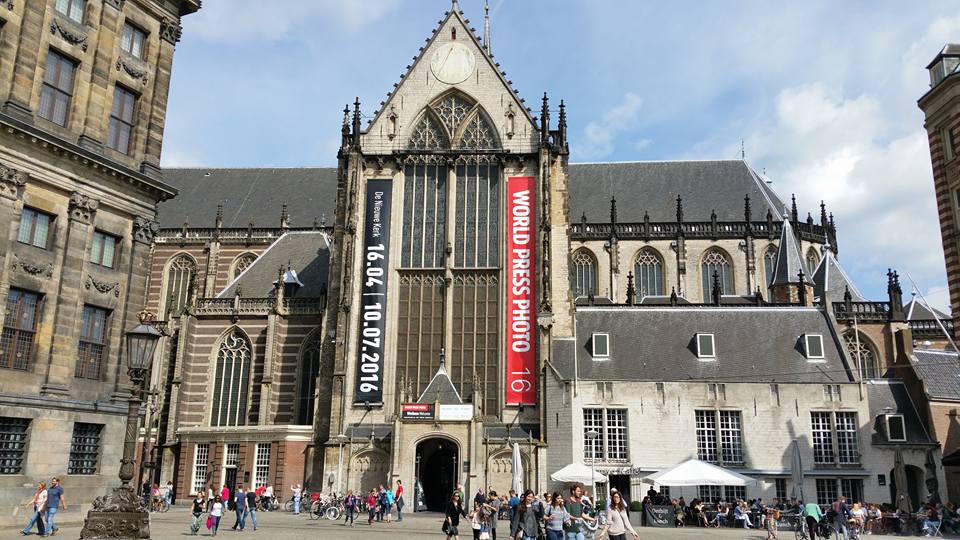
Nieuwe Kerk (New Church)
The Nieuwe Kerk has stood on Dam Square for more than six centuries and remains one of Amsterdam’s most important historic buildings. Located beside the Royal Palace, the church has played a central role in Dutch history, serving as the setting for royal ceremonies, national events and major exhibitions.
History: Construction of the Nieuwe Kerk began in the 15th century when Amsterdam’s growing population outgrew the nearby Oude Kerk. Originally built as a Roman Catholic church, it later became part of the Protestant tradition following the Reformation and continued to play an important role in the religious and civic life of the city.
Architecture: The church is an important example of Gothic architecture in the Netherlands. Its high vaulted ceilings, historic stained-glass windows and richly detailed interior reflect centuries of craftsmanship and artistic tradition. Its historic organs remain among the building’s best-known features.
The Church of the Dutch Monarchy: Few buildings in the Netherlands are as closely connected to the Royal House as the Nieuwe Kerk. Since 1814, Dutch monarchs have been inaugurated here, continuing a tradition that links the church to important moments in the nation’s history. Royal weddings and state ceremonies have also taken place within its walls, including the wedding of King Willem-Alexander and Queen Máxima in 2002.
A Cultural Venue: Although regular church services are no longer held here, the Nieuwe Kerk remains an important cultural venue. Exhibitions dedicated to art, photography, world cultures and history attract visitors from across the Netherlands and beyond.
Why Visit: The Nieuwe Kerk brings together architecture, royal history and culture in one location. It offers visitors a deeper understanding of both the Dutch monarchy and Amsterdam’s historical development.
Location: The church stands on Dam Square in the historic centre of Amsterdam, directly beside the Royal Palace and within walking distance of Central Station and many of the city’s best-known attractions.
Good to Know: Check the current exhibition and opening calendar before visiting. Advance reservation of an available time slot is recommended but not compulsory. The venue accepts card payments; exhibition admission and the ticket desk close before the building’s closing time.
For centuries, the Nieuwe Kerk has been connected to some of the most important events in Dutch public life. Today, it continues to bring together history, culture and tradition in the heart of Amsterdam.
Sababa tip: an exhibition on Dam Square
Check what is on at Nieuwe Kerk before choosing your visit. Afterwards, take a look at the Royal Palace exterior or continue along Rokin towards the canals.
More guides: Amsterdam museums guide, De Wallen and the Red Light District, Amsterdam restaurant guide.
Address
Dam, 1012 NP Amsterdam
Opening hours
Normally Wednesday–Sunday 11:00–18:00; exhibition admission and the ticket desk close at 17:00. Closed on 25 December and 1 January. Check the current programme.
Phone
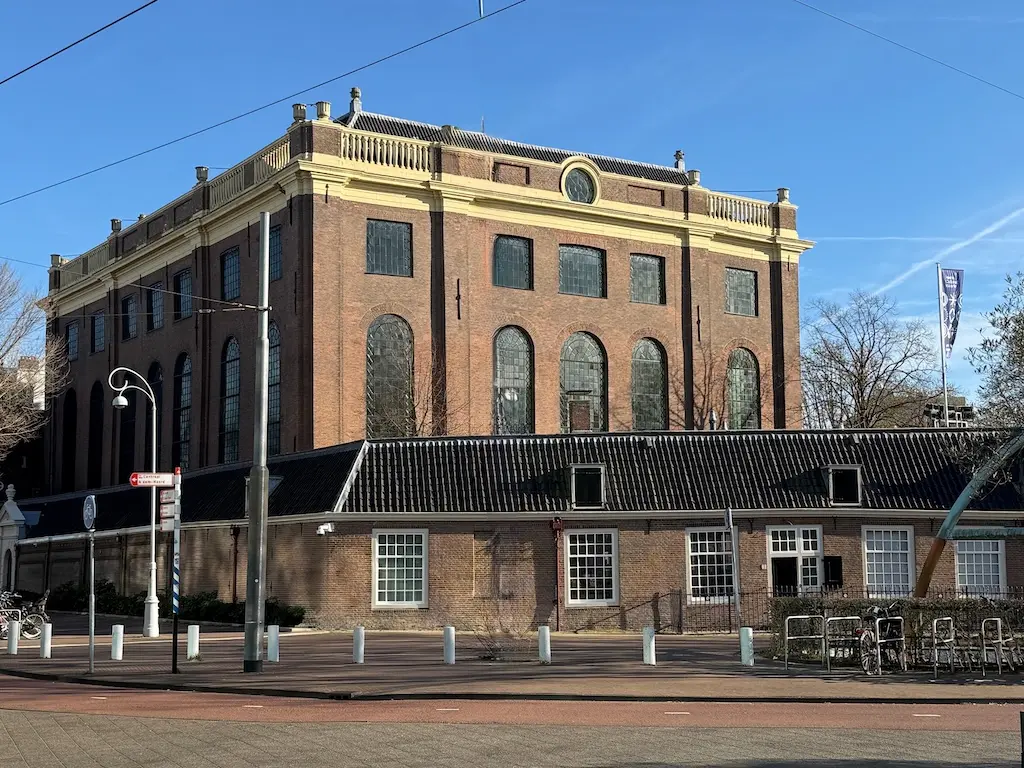
Portuguese Synagogue
Few places in Amsterdam bring the city’s Jewish history to life quite like the Portuguese Synagogue, also known as the Esnoga. Completed in 1675, this remarkable building has stood at the heart of Amsterdam’s old Jewish neighbourhood for more than three centuries and is still used as a place of worship today.
A landmark of Jewish Amsterdam: The synagogue was built for Amsterdam’s flourishing Sephardic Jewish community, whose families had come to the Dutch Republic after fleeing persecution on the Iberian Peninsula. When it opened in the seventeenth century, it was the largest synagogue in the world and reflected the freedom and prosperity the community had found in Amsterdam.
Inside the synagogue: Step inside and much of what you see dates back to 1675. The wooden benches, the tebah from which services are led and the pinewood floor have all survived from the original interior. Fine sand still covers the floor, traditionally helping to absorb footsteps, dirt and moisture.
Lit by candlelight: The historic sanctuary has no electric lighting or heating. Its chandeliers are used for candlelight services and concerts. Check the separate concert programme if you want an evening lit by candles; a regular admission ticket does not include a concert.
More than the main sanctuary: Take time to explore the surrounding buildings and treasure chambers as well. They hold an exceptional collection of ceremonial silver, textiles, Torah scrolls and other objects connected to generations of Jewish life and worship.
Explore the area: The synagogue is part of Amsterdam’s Jewish Cultural Quarter and sits within easy walking distance of the Jewish Museum, National Holocaust Museum, Hollandsche Schouwburg, Waterlooplein and Rembrandt House Museum.
Good to know: The Portuguese Synagogue remains an active place of worship. It is closed to visitors on Saturdays, and opening hours can change around Jewish holidays and religious services, so check the current schedule before you go.
Sababa tip: plan the Jewish Cultural Quarter
Check the synagogue calendar, then read the linked ticket inclusions: this product also includes the Jewish Museum and audio guides. Saturday closure and Jewish holiday exceptions apply.
More guides: Amsterdam museums guide, Amsterdam restaurant guide.
ADDRESS
Opening hours
Open Sunday–Friday, with hours varying by month. Closed on Saturdays and some Jewish holidays.
Phone
Jewish Cultural Quarter: +31 20 531 0310
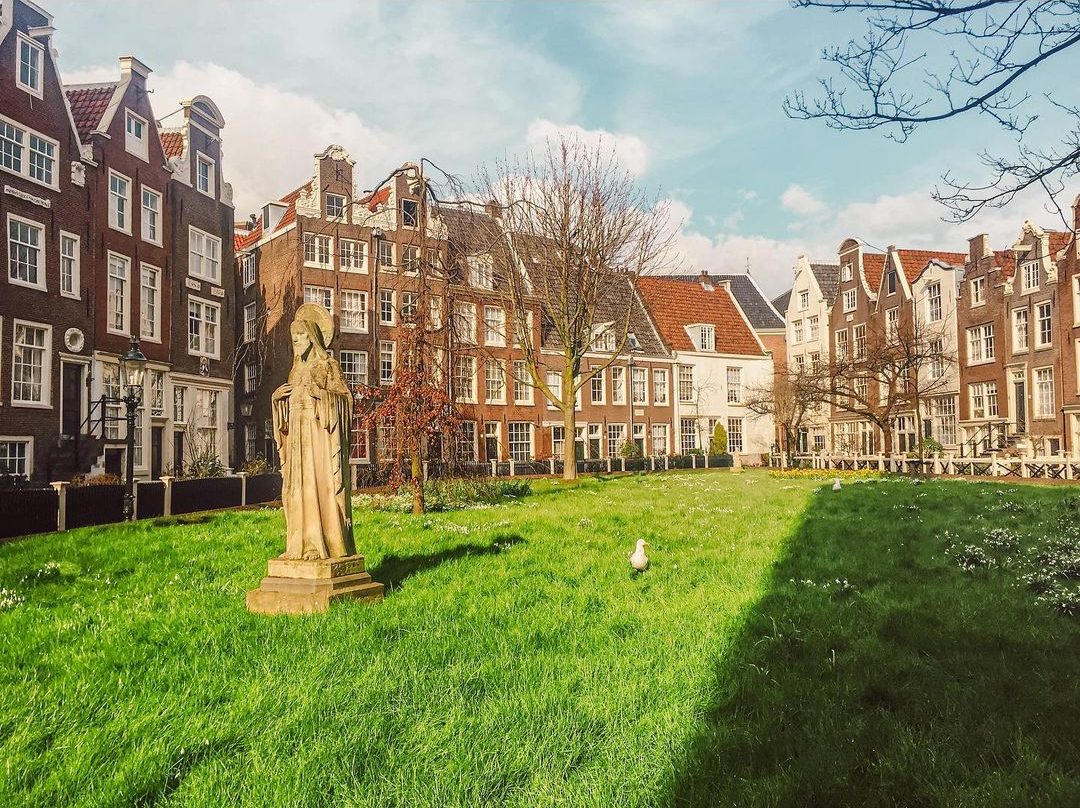
Begijnhof
The Begijnhof is one of Amsterdam’s oldest and most peaceful historic courtyards. Hidden behind a discreet entrance near Spui Square, it feels surprisingly removed from the busy streets around it. With its historic houses, quiet gardens and centuries of history, the Begijnhof offers a glimpse into a lesser-known side of Amsterdam.
History: The Begijnhof dates back to the 14th century and was established as a residential community for the Beguines, religious women who devoted their lives to prayer, charity and caring for others without taking formal monastic vows. Their community remained here for centuries, and the last Beguine lived at the Begijnhof until 1971.
A Unique Community: The Beguines occupied a distinctive place in medieval society. Unlike nuns, they maintained a degree of personal independence while living within a close-knit spiritual community. The Begijnhof remains one of the best-preserved reminders of this way of life.
Historic Buildings: The courtyard is surrounded by historic houses, including the Houten Huys, one of Amsterdam’s oldest surviving wooden houses. Its timber façade offers a glimpse of the city before brick construction became widespread.
A Quiet Corner of the City: Stepping into the Begijnhof, the sounds of the city quickly fade into the background. The gardens, historic façades and calm atmosphere create a setting that feels very different from the busy shopping streets nearby.
Why Visit: The Begijnhof offers an opportunity to explore Amsterdam’s medieval history while discovering a part of the city that has retained much of its original character. It is particularly appealing to visitors interested in history, architecture and quieter places away from the crowds.
Location: The Begijnhof is located in Amsterdam’s historic centre, between Spui Square and Kalverstraat, within walking distance of Dam Square, the Flower Market and many of the city’s main attractions.
Good to Know: Entry is free, but this is a private residential courtyard. Use the tourist entrance on Gedempte Begijnensloot, via Begijnensteeg, and stay in the designated public area. Groups larger than 12, dogs, bicycles and wheeled suitcases are not allowed. Do not eat or drink in the courtyard.
For more than six centuries, the Begijnhof has remained a place of calm in the centre of Amsterdam, preserving an important chapter of the city’s religious and social history.
Sababa tip: a respectful courtyard visit
Use the visitor entrance via Begijnensteeg and keep to the public area. Afterwards, return to Spui or continue towards the Flower Market; the courtyard is a residential space.
More guides: Amsterdam museums guide, Amsterdam restaurant guide.
Visitor entrance
Gedempte Begijnensloot, via Begijnensteeg, Amsterdam
Opening hours
Daily 10:00–18:00, except King’s Day (27 April). Use the tourist entrance via Begijnensteeg.
Parks & Gardens
Slow down and discover Amsterdam’s greener side, from its best-known city park to one of the oldest botanical gardens in the world.
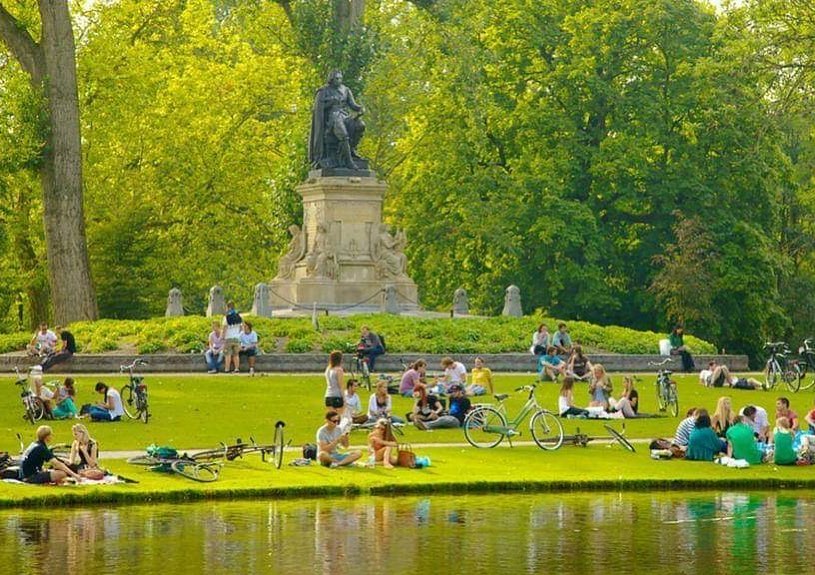
Vondelpark
Vondelpark is one of Amsterdam’s best-known city parks and one of the most popular green spaces in the Dutch capital. Located within walking distance of Museumplein and Leidseplein, it has been a favourite place for locals and visitors for more than 150 years and welcomes millions of people every year.
History: Opened in 1865, Vondelpark was designed by landscape architects Jan David Zocher and Louis Paul Zocher. Inspired by the English landscape garden style, the park features winding paths, ponds, open lawns and tree-lined avenues that still shape its character today.
Amsterdam’s Green Retreat: Covering around 47 hectares, the park offers plenty of space for walking, cycling, jogging, skating or simply relaxing. Despite its central location, it provides a welcome break from the busy streets and attractions nearby.
Art, Culture and Entertainment: Vondelpark has long been part of Amsterdam’s cultural life. Several sculptures and monuments can be found throughout the park, including the statue of writer and playwright Joost van den Vondel, after whom the park is named. During summer, the Open Air Theatre hosts free concerts, performances and cultural events.
A Glimpse of Local Life: More than just a park, Vondelpark is part of everyday life in Amsterdam. On sunny days, its lawns fill with families, friends, cyclists and people enjoying the outdoors. The cafés and terraces scattered throughout the park offer a pleasant place to take a break and watch city life unfold.
Why Visit: Vondelpark combines nature, culture and recreation in one setting. Whether you are looking for a quiet walk, a break between museum visits or a chance to experience local life, the park offers a different side of Amsterdam.
Location: The park is located in Amsterdam South, between Leidseplein, Museumplein and the Overtoom, making it easy to combine with many of the city’s best-known attractions.
Good to Know: Entry is free. Keep an eye out for cyclists on the shared paths and check the Open Air Theatre programme if you want to add a summer performance. Barbecues are not allowed in the park.
From morning walks and summer performances to busy terraces and open green spaces, Vondelpark has been part of Amsterdam life for generations and remains a favourite place to slow down and enjoy the city.
Sababa tip: a break after Museumplein
Walk into the park after a museum visit, or continue towards Leidseplein. Leave time to sit by a pond or stop at a café rather than crossing the whole park.
More guides: Amsterdam museums guide, Amsterdam restaurant guide, Amsterdam nightlife guide.
Address
Vondelpark 1, Amsterdam
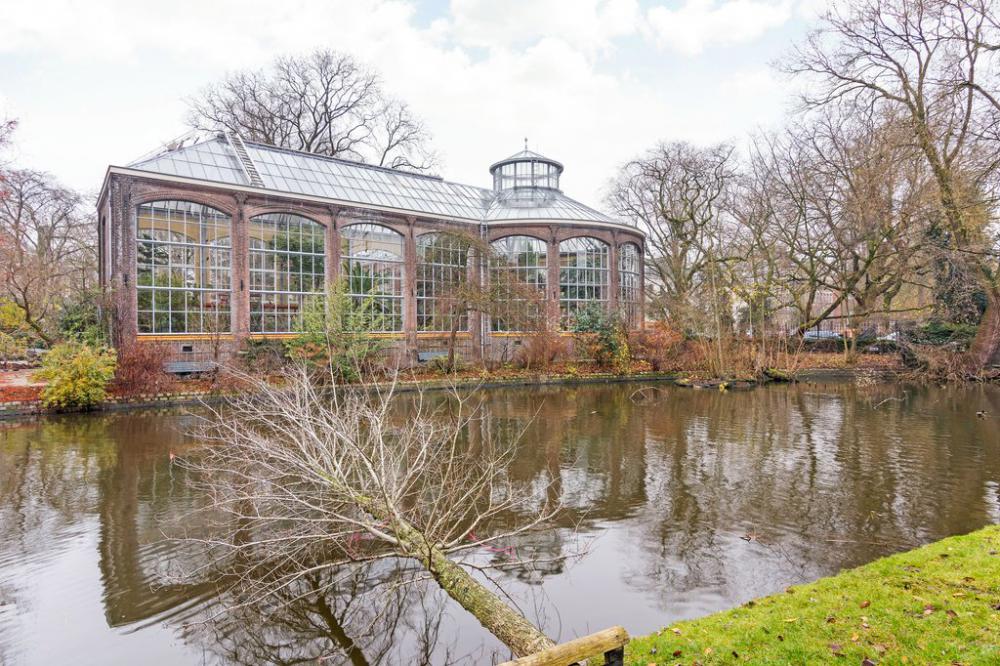
Hortus Botanicus Amsterdam
The Hortus Botanicus Amsterdam is one of the oldest botanical gardens in the world. Founded in 1638, this historic garden has spent nearly four centuries collecting, studying and preserving plant life from around the globe. Today, it remains a peaceful green space in the heart of Amsterdam and is home to more than 4,000 plant species.
History: The garden was originally established as a medicinal herb garden supplying doctors and pharmacists at a time when plant-based remedies played an important role in healthcare. Over the centuries, it developed into a centre for botanical research, education and conservation.
Plants from Around the World: Visitors can explore plants from every continent, ranging from tropical rainforest species and rare palms to desert cacti and centuries-old trees. Walking through the garden offers a chance to experience a wide variety of ecosystems without leaving Amsterdam.
The Historic Greenhouses: The Palm Greenhouse is one of the garden’s historic landmarks. The renewed Climate House opened in 2025 and recreates three environments: tropical jungle, desert and South African Cape vegetation. These glasshouses let you explore contrasting habitats throughout the year.
A Living Botanical Collection: The Hortus is home to several historically important plants, including a coffee plant descended from a specimen that contributed to the spread of coffee cultivation across Central and South America. Rare and endangered species continue to be studied and preserved here.
A Place to Slow Down: Beyond its scientific importance, the Hortus offers a welcome break from the city’s busy streets. Quiet pathways, ponds, secluded corners and the Orangery café create a relaxed setting for spending time among nature.
Why Visit: The Hortus Botanicus combines nature, history and science in a way that differs from many of Amsterdam’s better-known attractions. It is a rewarding place for anyone interested in plants, conservation or simply a quieter side of the city.
Location: The garden is located in the Plantage district, close to ARTIS Royal Zoo, the Jewish Cultural Quarter and Amsterdam’s historic centre.
Good to Know: The Hortus accepts card payments only. There is no storage for large bags or suitcases, so plan luggage storage elsewhere. Garden paths and older greenhouses have access limitations; check the official accessibility information if you need step-free access.
With its historic glasshouses, diverse plant collections and centuries of botanical research, the Hortus Botanicus offers a different perspective on Amsterdam and its long connection to science, exploration and the natural world.
Sababa tip: a day in the Plantage district
Combine the garden with a walk through the Plantage district or a separate visit to ARTIS or the Jewish Cultural Quarter. Check opening times and book each attraction separately.
More guides: Amsterdam museums guide, Amsterdam restaurant guide.
Address
Opening hours
Daily 10:00–17:00. Closed on 25 December and 1 January.
Phone
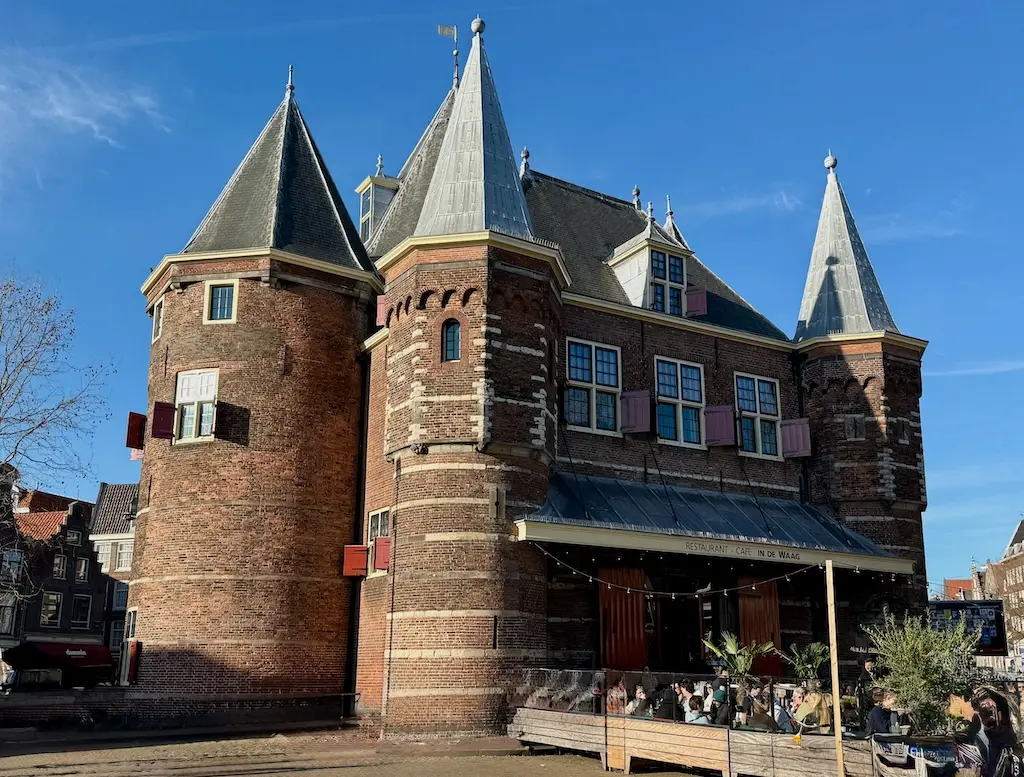
De Waag on Nieuwmarkt
The Waag is one of Amsterdam’s oldest historic buildings. Located in the centre of Nieuwmarkt Square, it was originally built in 1488 as the Sint Antoniespoort, one of the main gates in the city’s defensive walls. Today, it remains an important reminder of Amsterdam’s medieval past.
History: The Waag was originally part of Amsterdam’s fortifications. When the city expanded beyond its medieval boundaries during the Dutch Golden Age, the building lost its defensive function. In 1617, it became a public weighing house where merchants had goods such as cheese, butter, tobacco and spices officially weighed before trade.
From City Gate to Civic Building: Over the centuries, the Waag served many purposes. Its upper floors housed several guilds, including blacksmiths, masons and surgeons. Later, the building was used for workshops, administrative offices, museums and other public functions, reflecting Amsterdam’s growth as a trading city.
Rembrandt and the Surgeons’ Guild: The Waag is closely connected to the Surgeons’ Guild, whose anatomical theatre was located here. Public dissections were held in the building, attracting scholars and visitors. The guild later commissioned Rembrandt’s painting The Anatomy Lesson of Dr. Nicolaes Tulp in 1632, linking the Waag to one of the best-known works of the Dutch Golden Age.
Architecture: With its round towers, stone walls and fortress-like appearance, the Waag offers a glimpse into a period when Amsterdam was protected by gates, walls and defensive structures.
The Waag Today: The building houses Restaurant-Café In de Waag and Waag Futurelab. You can admire the exterior from Nieuwmarkt; access to the upper rooms depends on organised tours and public events. It is not a museum with unrestricted walk-in access.
Why Visit: The Waag brings together several chapters of Amsterdam’s history, from medieval defence and merchant trade to guild life, science and art. Few buildings illustrate so many different aspects of the city’s development.
Location: The Waag stands in the centre of Nieuwmarkt Square, within walking distance of Chinatown, the Red Light District, Dam Square and Amsterdam Central Station.
Good to Know: The exterior can be viewed freely throughout the year. The surrounding square is one of the liveliest parts of the historic centre, with cafés, terraces and regular markets.
For more than 500 years, the Waag has stood at the heart of Nieuwmarkt, reflecting the many roles the building and the city have played throughout Amsterdam’s history.
Sababa tip: explore Nieuwmarkt on foot
Look around the former city gate, then follow Zeedijk into Chinatown or walk towards De Wallen. For an indoor Waag visit, check restaurant access or the Futurelab event programme.
More guides: De Wallen and Red Light District guide, Amsterdam restaurant guide, Amsterdam museums guide.
Address
Local Culture & Markets
Discover different sides of Amsterdam through colourful markets, cultural traditions and places that reflect the city’s international character.
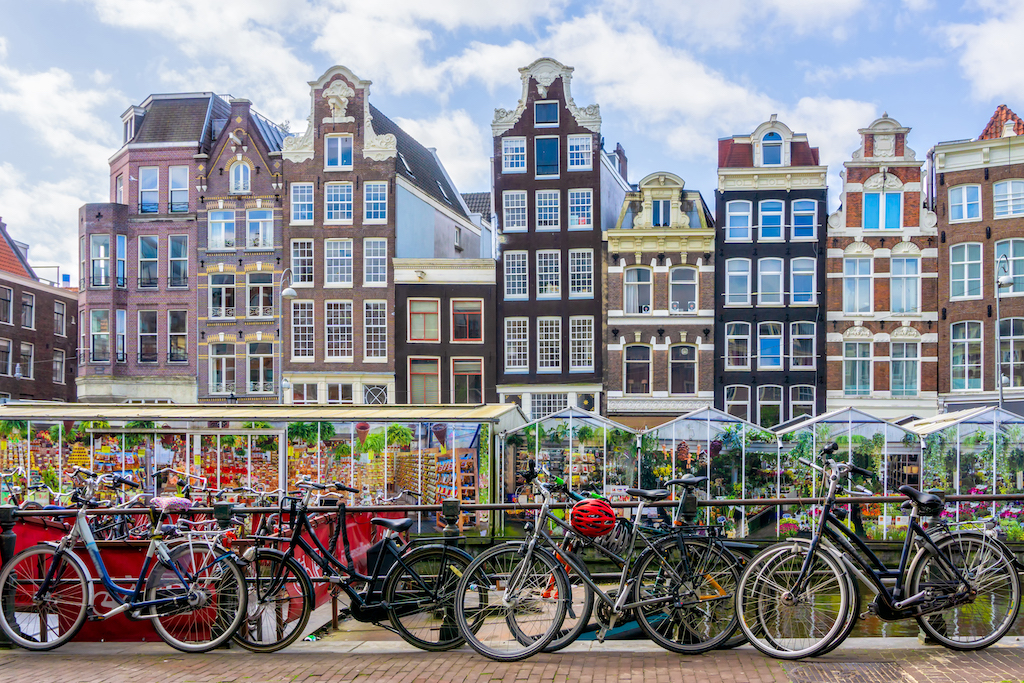
Bloemenmarkt (Flower Market)
The Bloemenmarkt is Amsterdam’s famous flower market and the world’s only floating flower market. Located along the Singel canal in the heart of the city, its colourful stalls have been part of Amsterdam since 1862 and reflect the Netherlands’ long connection with flowers and horticulture.
History: The market began in the 19th century when flower growers transported their products into the city by boat and sold them directly from floating barges. Although the stalls are now permanently moored, the market still preserves this connection to Amsterdam’s waterways.
A Dutch Flower Tradition: The Netherlands is closely associated with flowers, particularly tulips, and the Bloemenmarkt offers visitors an introduction to this part of Dutch culture. Throughout the year, the market sells flowers, plants, bulbs and a variety of gardening products.
More Than Flowers: Alongside floral displays, visitors will find Dutch souvenirs, gifts and local products. The combination of flowers, canals and historic surroundings makes the market a popular stop while exploring the city centre.
Throughout the Year: Every season brings something different. Spring is especially popular thanks to the colourful tulip displays, but the market remains lively throughout the year.
Why Visit: The Bloemenmarkt offers a glimpse into a tradition that has long been associated with the Netherlands. Its location, history and atmosphere make it an easy and enjoyable stop during a visit to Amsterdam.
Location: The market stretches along the Singel canal between Muntplein and Koningsplein, within walking distance of Dam Square, the shopping district and many of Amsterdam’s best-known attractions.
Good to Know: Before buying bulbs to take home, check your destination’s plant import requirements. Ask the seller about the variety, planting season and any documentation you need; a shop label does not guarantee that an item meets your country’s rules.
For more than 160 years, the Bloemenmarkt has been part of daily life in Amsterdam, bringing together flowers, local traditions and the city’s historic canals in one place.
Sababa tip: combine the market with the Singel
Browse the stalls, then walk towards Muntplein, Spui or the nearby canals. Before buying bulbs to take home, check import requirements and ask the seller for the relevant documentation.
More guides: Amsterdam museums guide, Amsterdam restaurant guide.
Address
Opening hours
Market stalls generally open daily; individual shop hours vary. Plan a daytime visit.
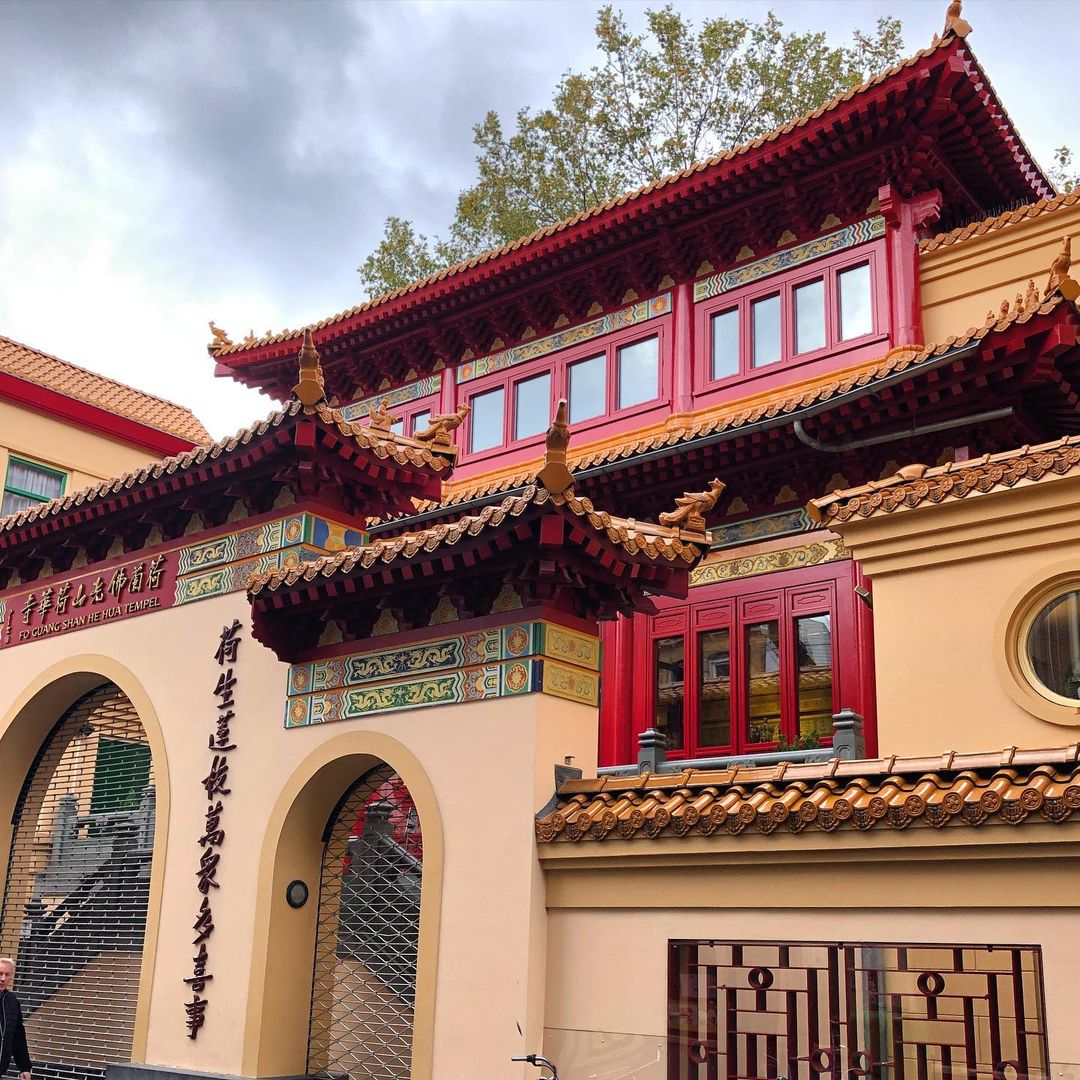
Fo Guang Shan He Hua Temple
The Fo Guang Shan He Hua Temple is a Buddhist place of worship on Zeedijk in Amsterdam’s Chinatown. Located in the heart of Chinatown, just a short walk from the historic city centre, it immediately stands out with its striking architecture, vibrant colours and peaceful atmosphere.
History: Officially opened in 2000, the temple was built as a symbol of cultural exchange and mutual understanding between the Chinese and Dutch communities. Its name, “He Hua”, means “Lotus Flower”, a powerful Buddhist symbol associated with purity, wisdom and spiritual enlightenment.
Traditional Chinese Architecture: Designed according to classical Chinese architectural principles, the temple features sweeping roofs, ornate decorations and intricate craftsmanship rarely seen elsewhere in Europe. Its colourful façades, decorative dragons and elegant detailing make it one of Amsterdam’s most distinctive religious buildings.
Symbolism and Spiritual Life: Every element of the temple carries symbolic meaning rooted in Buddhist philosophy and Chinese tradition. From the entrance gate to the rooftop ornaments, many features represent harmony, compassion, wisdom and personal growth.
Inside the Temple: Stepping inside reveals a calm and contemplative environment far removed from the busy streets outside. Buddhist statues, traditional artwork, altars and sacred objects offer visitors a fascinating introduction to Buddhist culture and practice. Guided tours and cultural activities are occasionally available.
Exploring Amsterdam’s Chinatown: The temple occupies a central position within one of the oldest Chinatowns in continental Europe. The surrounding streets are lined with Asian restaurants, speciality shops, markets and cultural attractions, making the neighbourhood one of Amsterdam’s most diverse and interesting areas to explore.
Why Visit: The He Hua Temple offers a completely different perspective on Amsterdam. Combining Buddhist heritage, traditional Chinese architecture and cultural diversity, it provides a memorable experience in the heart of the Dutch capital.
Location: The temple is located on Zeedijk in Amsterdam’s Chinatown, within easy walking distance of Nieuwmarkt, the Red Light District and Amsterdam Central Station.
Good to Know: The temple is an active place of worship. Official pages currently list different visitor hours, so check the contact page or call before planning an indoor visit, especially on Sunday. Keep quiet and follow the guidance of temple staff.
Between ornate rooftops, ancient symbolism and a rare sense of tranquillity, the Fo Guang Shan He Hua Temple reveals one of Amsterdam’s most fascinating and unexpected cultural treasures.
Sababa tip: a stop on Zeedijk
Admire the temple exterior during a walk through Chinatown. If you want to go inside, confirm visitor access first; then continue to Nieuwmarkt or choose a nearby restaurant.
More guides: De Wallen and Red Light District guide, Amsterdam restaurant guide.
Address
Opening hours
Visitor hours need confirmation: the official pages list different schedules. Check the contact page or call, especially before a Sunday visit.
Phone
City Gateways & Waterfront
Discover Amsterdam from the water’s edge, where the historic city centre meets the IJ and some of the city’s busiest transport connections.
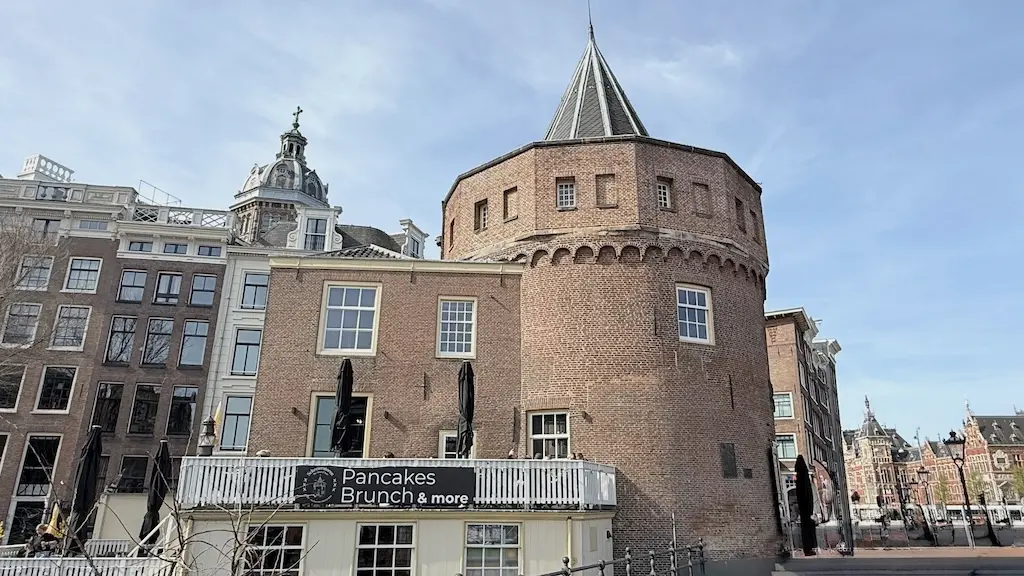
Schreierstoren
The Schreierstoren is one of Amsterdam’s oldest surviving buildings and one of the few remaining sections of the city’s medieval defences. Located near Amsterdam Central Station at the edge of the historic waterfront, the tower has stood here for more than five centuries and remains closely connected to Amsterdam’s maritime history.
History: Built in the late 15th century as part of Amsterdam’s defensive walls, the Schreierstoren helped protect the city from threats arriving by water. At the time, the tower stood directly on the harbour and formed part of a network of gates, walls and fortifications surrounding medieval Amsterdam.
Amsterdam and the Age of Exploration: During the Dutch Golden Age, the area around the tower became associated with Amsterdam’s growing maritime trade. Merchants, sailors and explorers departed from nearby docks on journeys that connected the Netherlands with destinations across Europe, Asia, Africa and the Americas, contributing to the city’s development as a major trading centre.
The Story Behind the Name: A familiar legend links the tower with families waving goodbye to sailors. The City Archives instead trace the name to the sharp corner made by the medieval city wall here. The ‘Weeping Tower’ story is local folklore rather than an established explanation.
The Tower Today: Today, the Schreierstoren remains one of the best-preserved reminders of medieval Amsterdam. Surrounded by canals, historic streets, cafés and waterfront terraces, it continues to connect visitors with the city’s maritime past.
Why Visit: The Schreierstoren offers an opportunity to learn about Amsterdam’s medieval origins and its long relationship with trade, exploration and seafaring.
Location: The tower is located near Amsterdam Central Station, within walking distance of the IJ waterfront, Nieuwmarkt, the Red Light District and many of Amsterdam’s best-known attractions.
Good to Know: You can view the tower from the street without an admission ticket. Continue towards Oosterdok for a harbour walk, or go to the IJ side of Amsterdam Centraal for the waterfront and ferries.
For more than 500 years, the Schreierstoren has stood where Amsterdam once met the water, reflecting an important chapter in the city’s maritime history.
Sababa tip: walk towards the old harbour
View the tower from Prins Hendrikkade, then continue towards Oosterdok or back through the streets around Nieuwmarkt. The IJ ferries leave from behind Amsterdam Centraal.
More guides: De Wallen and Red Light District guide, Amsterdam museums guide, Amsterdam restaurant guide.
Address
Prins Hendrikkade 94–95, Amsterdam
Amsterdam Centraal (Central Station)
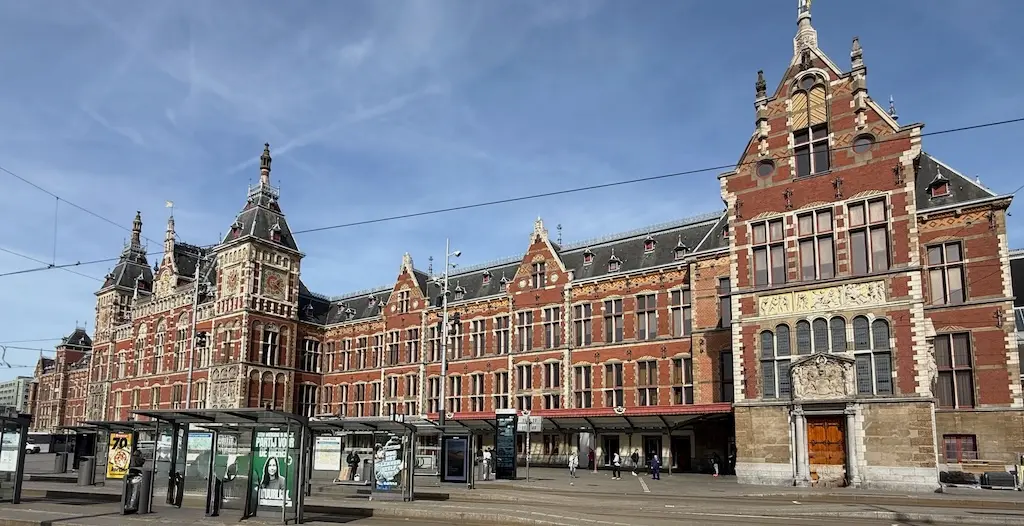
Amsterdam Centraal (Central Station) is the main railway station of the Dutch capital and one of the busiest places in the city. Located at the northern edge of the historic centre, it serves as the primary arrival point for visitors travelling to Amsterdam and provides connections throughout the Netherlands and Europe.
History: Opened in 1889, the station was designed by Pierre Cuypers and A.L. van Gendt. Its construction on artificial islands at the edge of the IJ reflects Amsterdam’s long history of building on water.
Architecture: The red-brick façade, towers and decorative details make the station a landmark in its own right. Take a moment to look back at the building from Stationsplein before heading into the historic centre.
The Heart of Amsterdam’s Transport Network: Today, Amsterdam Central Station is one of the country’s busiest transport hubs. Trains, trams, buses, metro services and ferries all connect here, providing easy access to every part of the city as well as destinations across the Netherlands and beyond.
The Waterfront and Amsterdam Noord: Directly behind the station lies the IJ waterfront, where free ferries operate throughout the day between the city centre and Amsterdam Noord. The short crossing provides views of the waterfront and access to one of the city’s fastest-changing districts.
Why Visit: Beyond its transport function, Amsterdam Central Station is an important historic building and a useful introduction to the city. Its location makes it easy to reach many of Amsterdam’s best-known neighbourhoods, canals and attractions on foot.
Location: The station stands at the northern edge of Amsterdam’s historic centre, within walking distance of Dam Square, the Red Light District, Nieuwmarkt and many other popular areas.
Good to Know: Check the NS and GVB journey planners before travelling. The IJ ferries behind the station are free for pedestrians and cyclists; choose the route for your destination in Amsterdam-Noord and allow time for the wait as well as the crossing.
For more than a century, Amsterdam Central Station has connected the city with the rest of the Netherlands and Europe, while remaining an important part of daily life in Amsterdam.
Sababa tip: choose your next direction
Follow Damrak towards Dam Square, explore Zeedijk and Nieuwmarkt, or go to the IJ side for a free ferry to Amsterdam-Noord. Check the route before boarding.
More guides: De Wallen and Red Light District guide, Amsterdam museums guide, Amsterdam restaurant guide.